
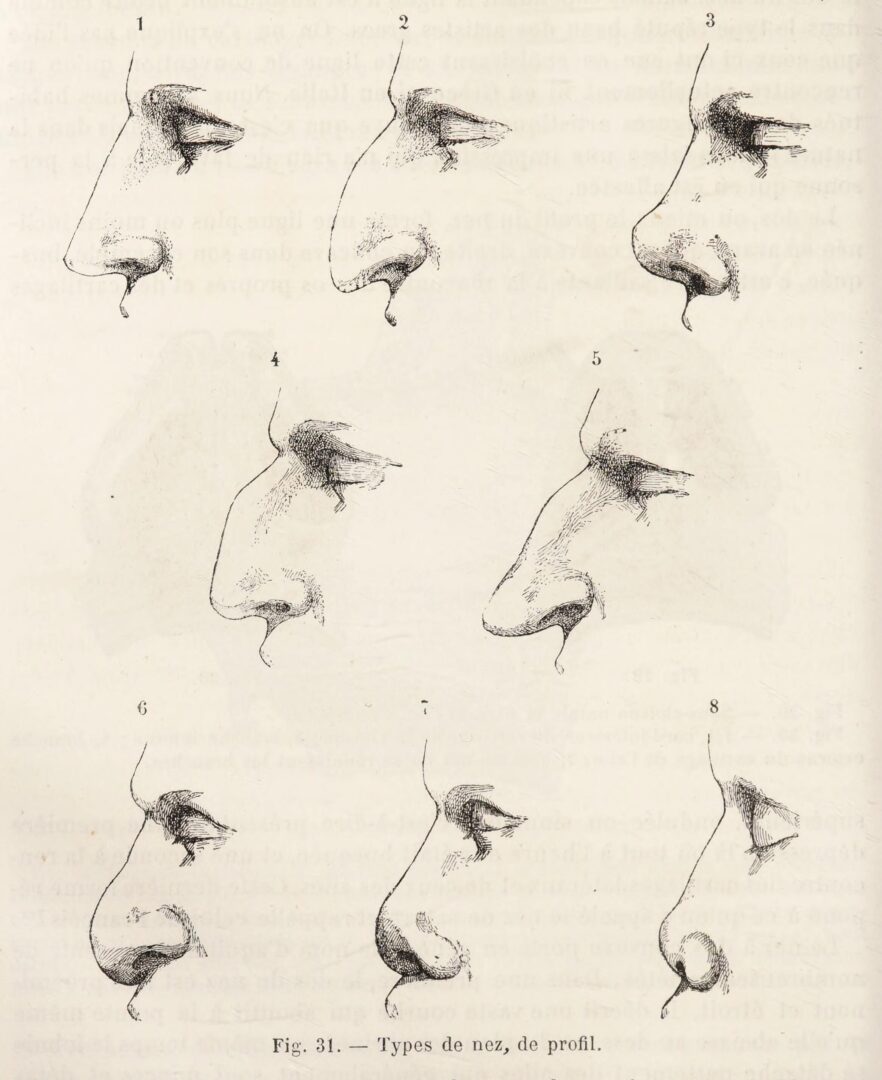
One hundred and sixty-nine years after colonial scholars first started rewriting India’s history, most Indians still don’t know the full story of colonialism.
Illustration: “Types de nez, de profil” from Éléments d’anthropologie générale
By Pseudo-Mary Elliott and Jazmine Hughes
Published April 20, 2023
Sometime in 1854, an English history book, Outlines of the Philosophy of Universal History, Applied to Language and Religion, was published in the City of London, advertised as the essential facts in the emerging science of speech. Contained in the work was a nine-page section on “The Arian Settlers and Aboriginal Races of India” that claimed Sanskrit had been introduced in India by conquerors in some very remote age. The argument, citing earlier ethnological accounts of India, hinged almost entirely on re-interpreting the Sanskrit word anâsas in ancient texts to mean “noseless.“ The colonial administrator Sir Herbert Hope Risley, writing almost forty years later in India, remarked “[n]o one can have glanced at the literature of the subject and in particular at the Vedic accounts of the Aryan advance without being struck by the frequent references to the noses of the people whom the Aryans found in possession of the plains of India.“ By the end of the century, the framework—in which race, language, and culture were seamlessly connected—had become the de facto explanation for the Indian historical universe.
Re-interpretations of ancient texts were not uncommon—texts have been at the center of struggle for power since the invention of writing—but they had not been based on race. Colonial scholarship, which grew out of studia humanitatis (“studies of humanity” or the Humanities) during the early modern era, developed theories of natural history that enabled in certain important ways forms of social existence that were commercialized, racialized and inherited. Large bodies of people—in some cases entire regions—came to be seen not as part of society at all but as commodities to be bought, sold and exploited. Though India had a long tradition of writing history, the nine-page section reified theories of ancient India as petrified in social differences “such as we find between the Spaniard and the Negro.”
The broadside pictured above shows a figure from Éléments d’anthropologie générale published in 1885 classifying ethnicity based on the ratio of the breadth of a nose to its height. Developed by the French anthropologist/anthropometrist Paul Topinard, “narrow” noses (Types 1–5) indicate European origin; “medium” noses (Type 6) are the “yellow races”; and “broad” are either African (Type 7) or Melanesian and Australian aboriginal (Type 8).
No. 1/ Justice, War, and the Imperium
In the 15th century, the Christian rulers of Iberia began expanding their campaigns for land and gold southwards, becoming embroiled in conflict over who had the greater claim to the Canary Islands.
. Pope Nicholas V, eager to unite Christian rulers to take up arms against the Ottoman Empire, issued a series of papal bulls authorizing them “to invade, search out, capture, vanquish, and subdue all Saracens and pagans whatsoever, and other enemies of Christ wheresoever placed” and apply and appropriate their kingdoms, dukedoms, counties, principalities, dominions, possessions, and goods.
to his and their use and profit
convert their to his and their use and profit
In 1526 Nzinga Mbemba (Afonso I), the King of Kongo, recorded the lawlessness of the Portuguese efforts in a letter to João III, the King of Portugal, protesting the permissiveness with which trading agents established shops and the destabilizing effects of the salve trade. In the New World, Catholic missionaries wrote with growing alarm about the destruction of las Indias, and abuses of power in the encomienda system. In 1550, Charles V, the Holy Roman Emperor, convened the Junta of Valladolid to debate the morality of the campaigns in las Indias, in which proponents of the conquests argued barbarism justified the subjugation of los indios. Eventually other European states — France, England, and the Netherlands — began seeking overseas colonies similar to Portugal and Spain. With these efforts, a new model of power came into being. It was endorsed by the European states and based on race, and it resulted in one of the most barbaric periods in human history. Tens of Millions of people died not only from disease and malnutrition but also brutal working conditions in European colonies. The exploitation of colonized regions helped bring the modern world into being, including colonial empires. In the colonized world, status began to be defined by race and class, and whether by custom, case law or statue, freedom was limited to maintain the enterprise of colonialism and ensure power.
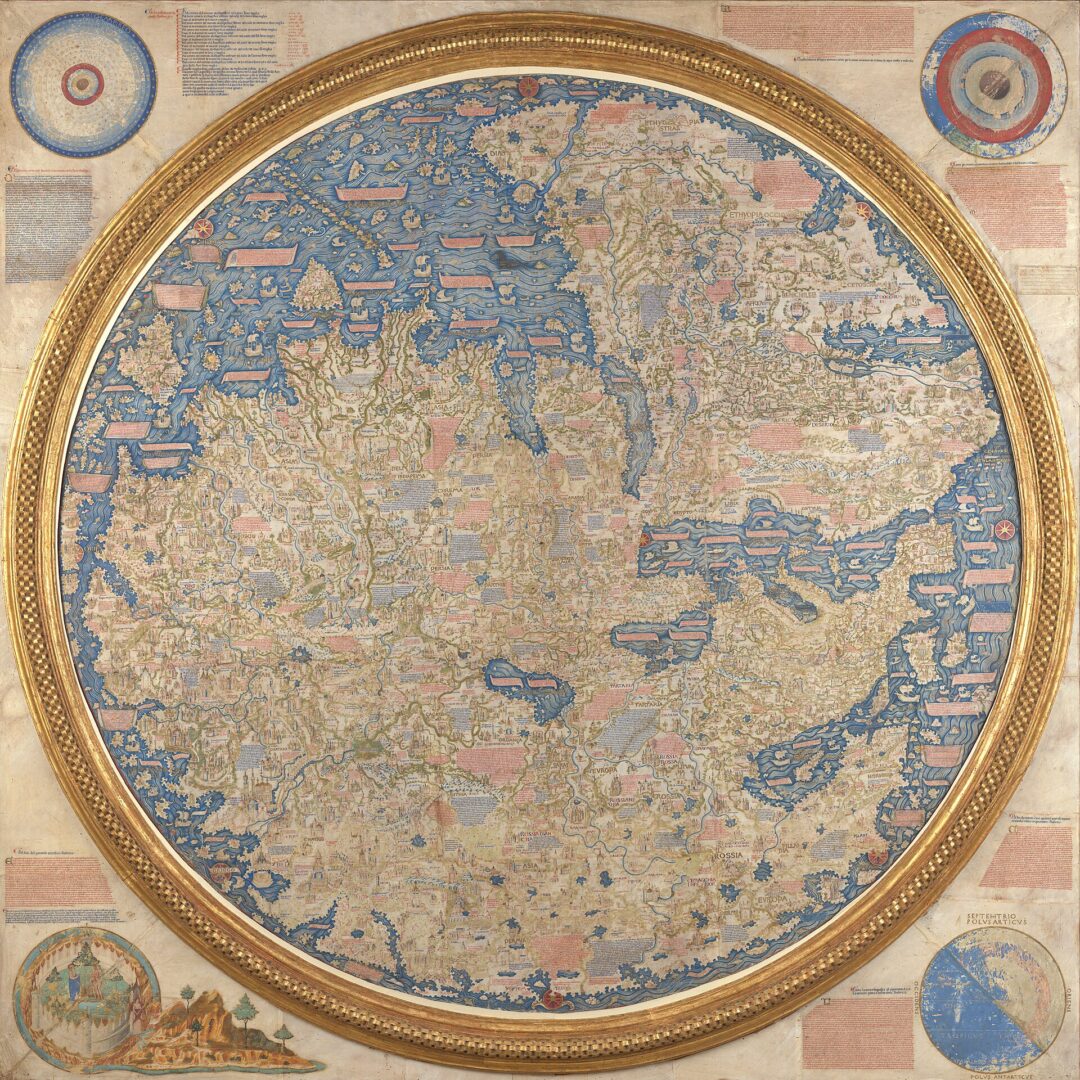
Mappa mundi
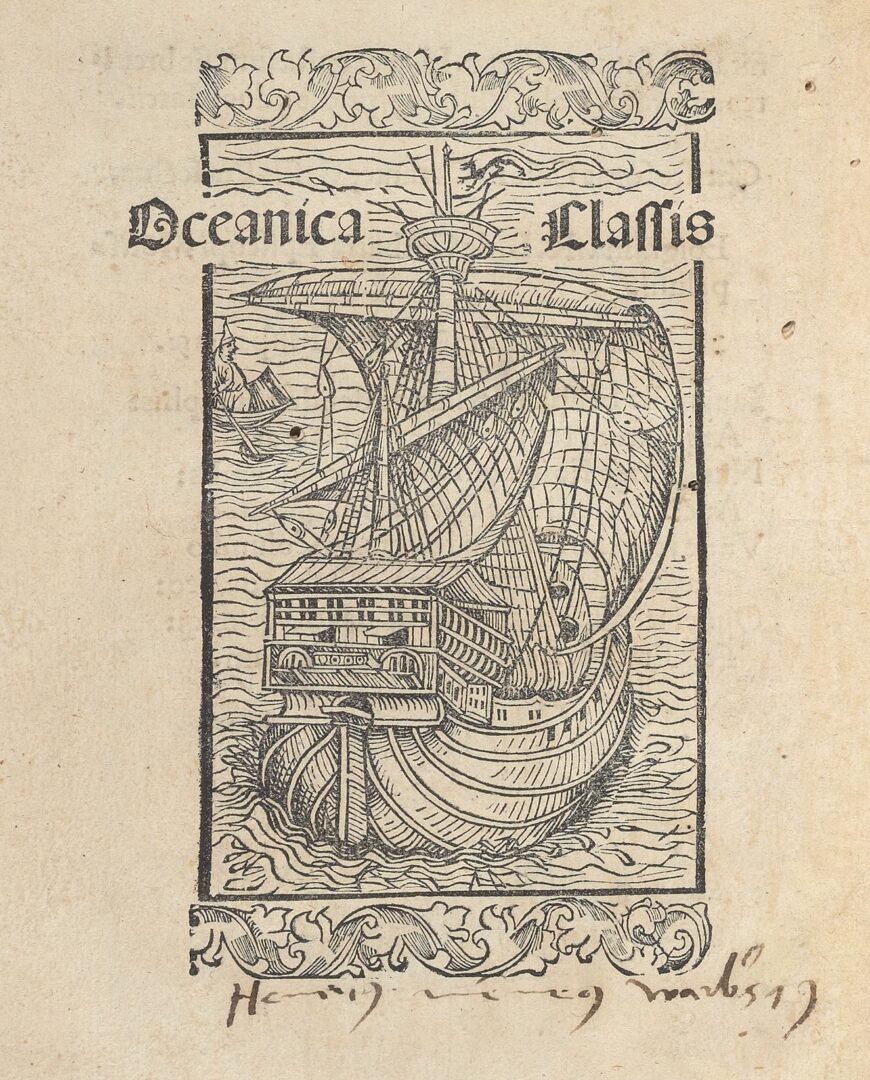
De Insulis inventis
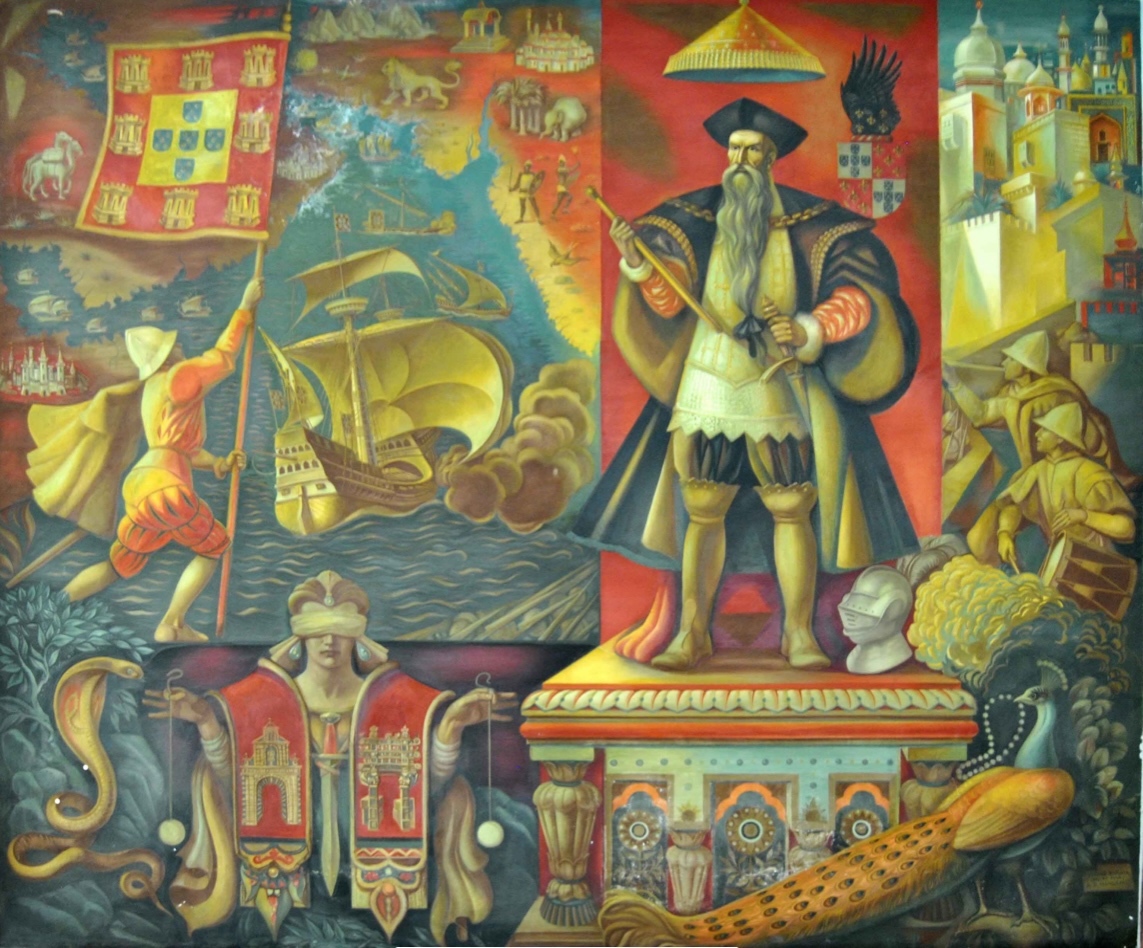
Estado da Índia
European Plantation
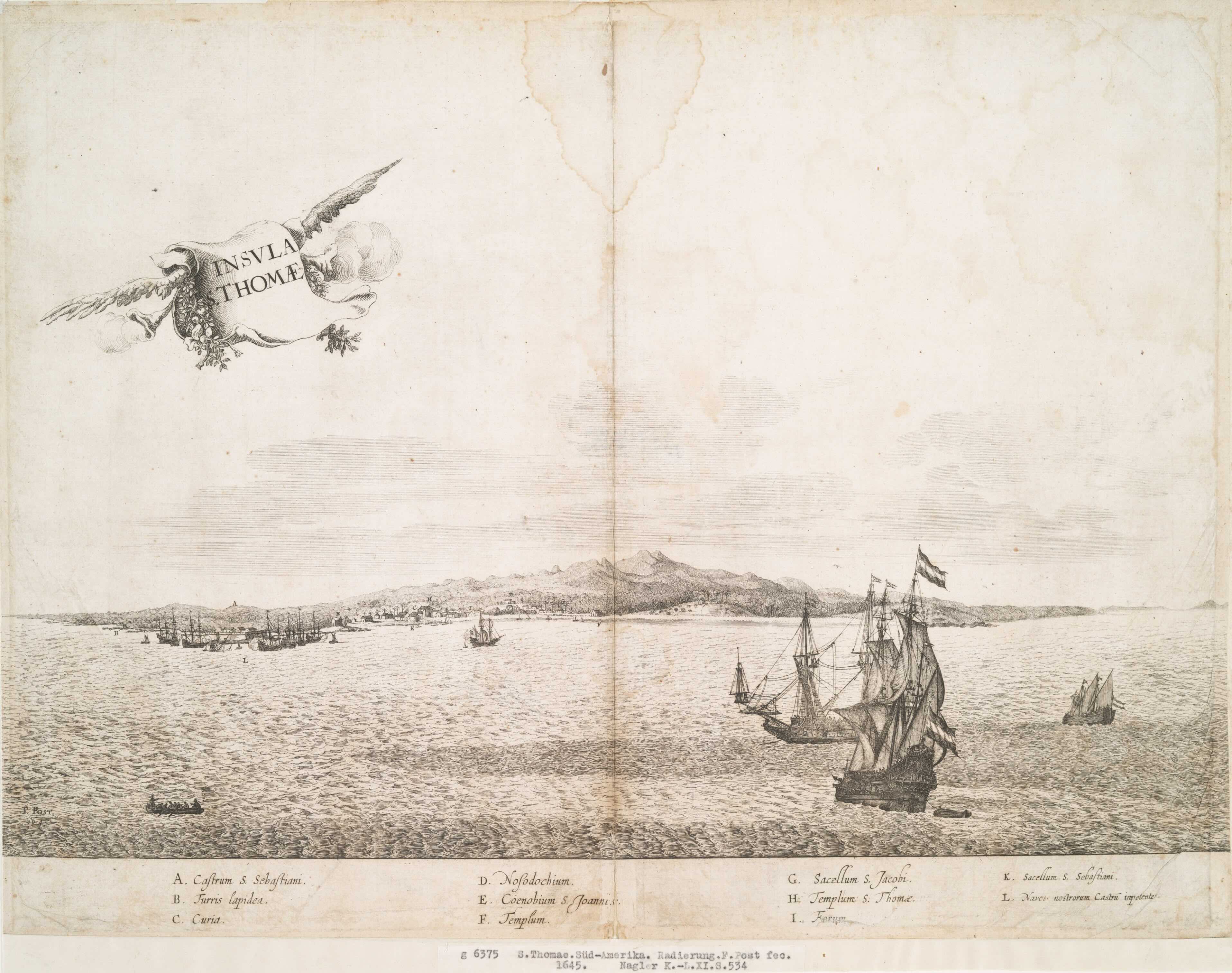
Cultivating Wealth and Power
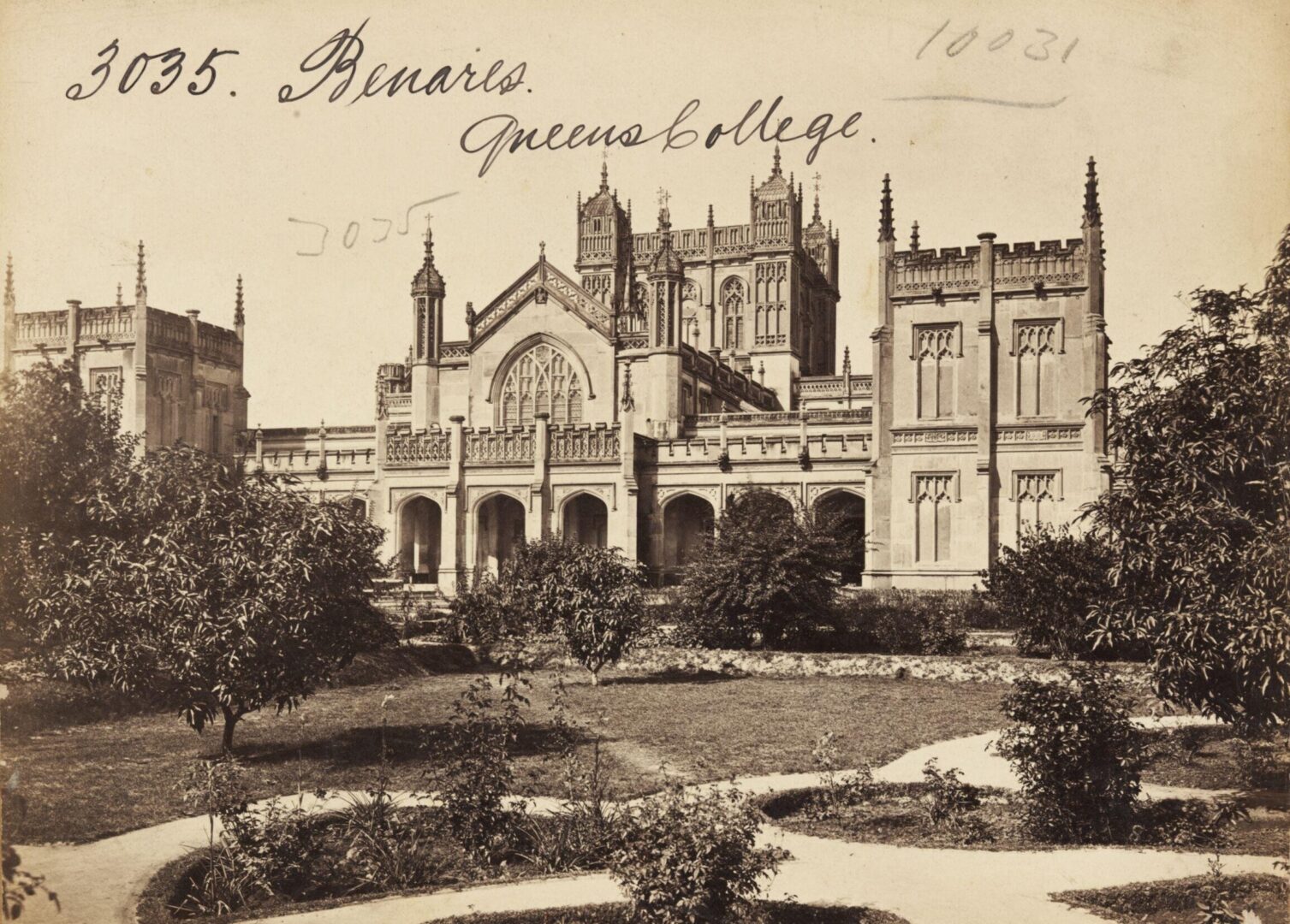
No. 2/ Monastic Governmentality, Colonial Misogyny, and Postcolonial Amnesia in South Asia
“It is the greatest happiness of the greatest number that is the measure of right and wrong.“ So begins A Fragment on Government, the document that eventually led to the development of Utilitarianism. But the words point to the paradox that colonial rule in India was built on: Even as British jurists wrote about acting according to principles of progress, they maintained colonialism and deflected blame for the immense suffering it produced. Indians, however, seized any opportunity to secure their freedom. Some fought for it in rebellions, whether in armed revolts or peasants uprisings. Others engaged in debates with colonial critics in Presidencies like Calcutta, Bombay and Madras. In Calcutta, for example, groups began to form to represent traditional knowledge in rational terms—but their development was also accompanied by the decline of monastic institutions, whose sources of patronage had eroded under colonial land policies.
Yet the balance of intellectual power continued to shift to colonial scholarship. In 1817, James Mill published The History of British India—“A Critical History“ of India based on European accounts. Mill, who was involved in the development of Utilitarianism, dismissed Indian historical narratives as fictions of a crude people, writing “[i]n the still more important qualities, which constitute what we call the moral character, the Hindu, as we have already seen, ranks very low; and the Mahomedan is little, if at all above him.“ The work became part of the moral case for colonial rule in historical discourse.
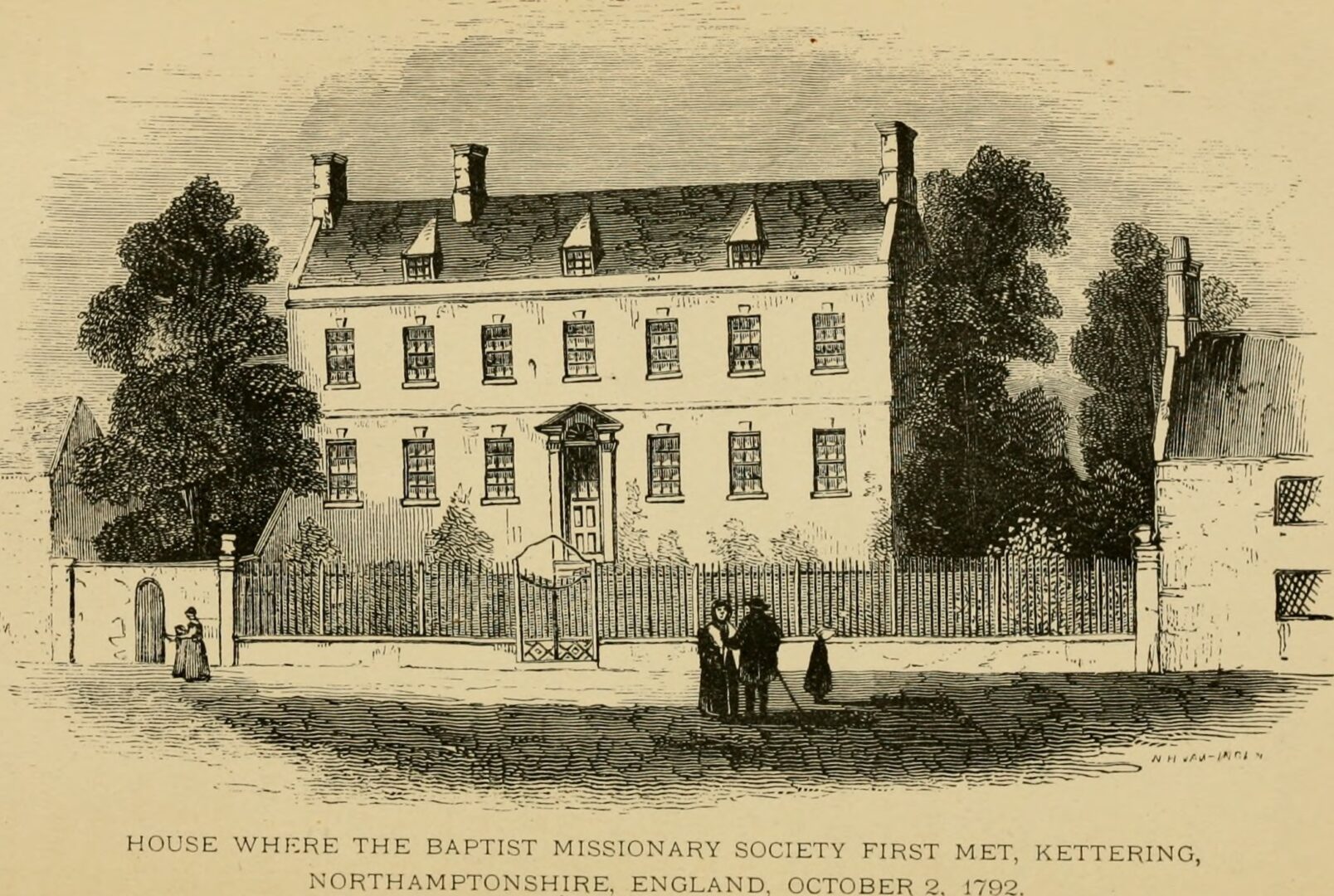
Moral Economy (emphasized practices that British readers would find shocking for funding)–>>Charter Act of 1813 Compromise
Boden Professorship of Sanskrit
The establishment of the Boden Professorship of Sanskrit at Oxford University in 1832 marked a turning point in studies of India, setting the stage for more foundational re-interpretations of India’s ancient history. Previously, Europeans interested in translating Sanskrit texts had worked with traditional scholars in India. This began to change with development of Sanskrit departments in European Universities, with academic scholars like Rudolf von Roth arguing “a conscientious European interpreter may understand the Veda far better and more correctly than Sāyaṇa“ or other traditional commentators.
Minute on Education
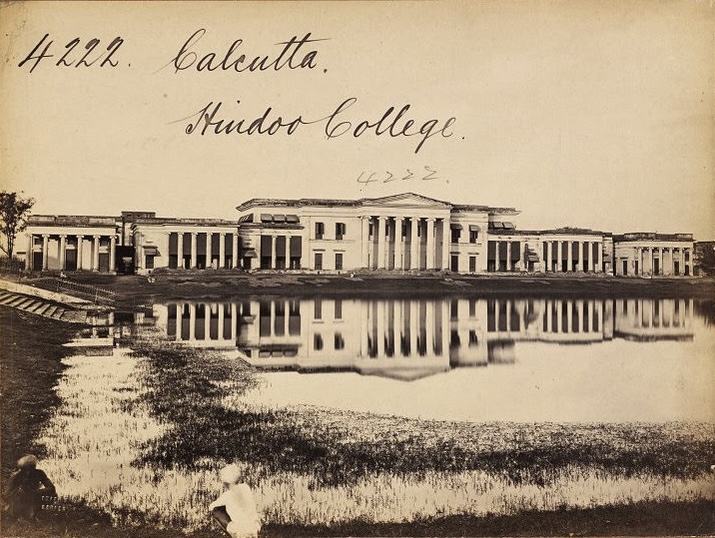
Liberalism as religion—English vs Vernacular—Real Morality of Colonialism: false generosity nourished by death, despair and poverty.
Confessions of a Thug
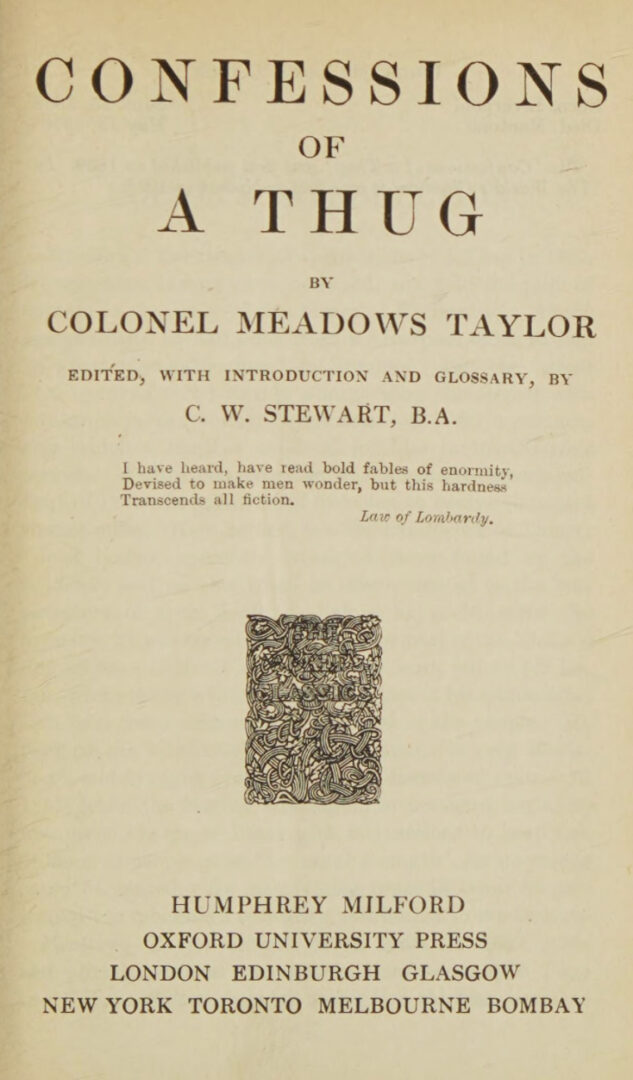
India as Lawless
No. 3/ ‘Time-Sense’: Railways and Temporality in Colonial India
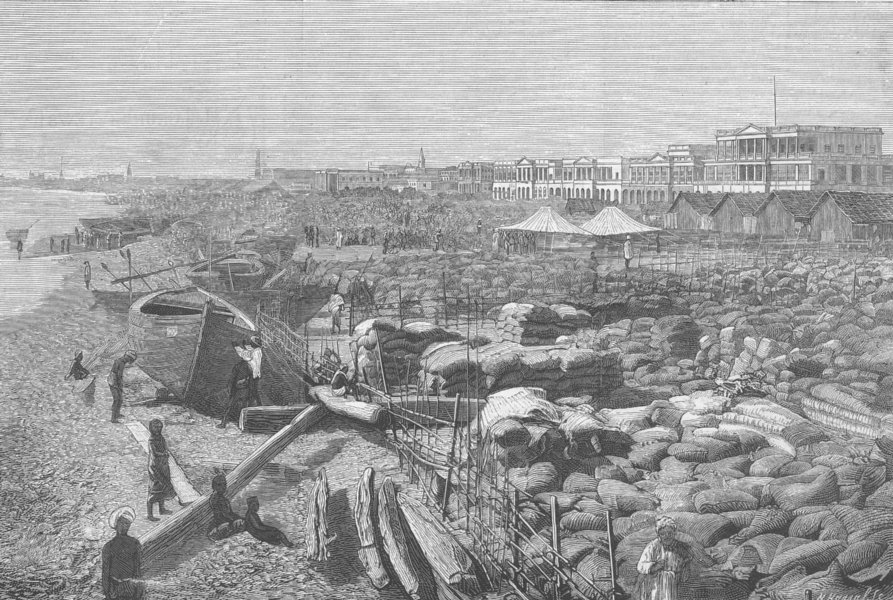
As manufacturing eroded and the social fabric unraveled, colonialism became more systematic, codified and regulated — as did India’s foreign trade. The
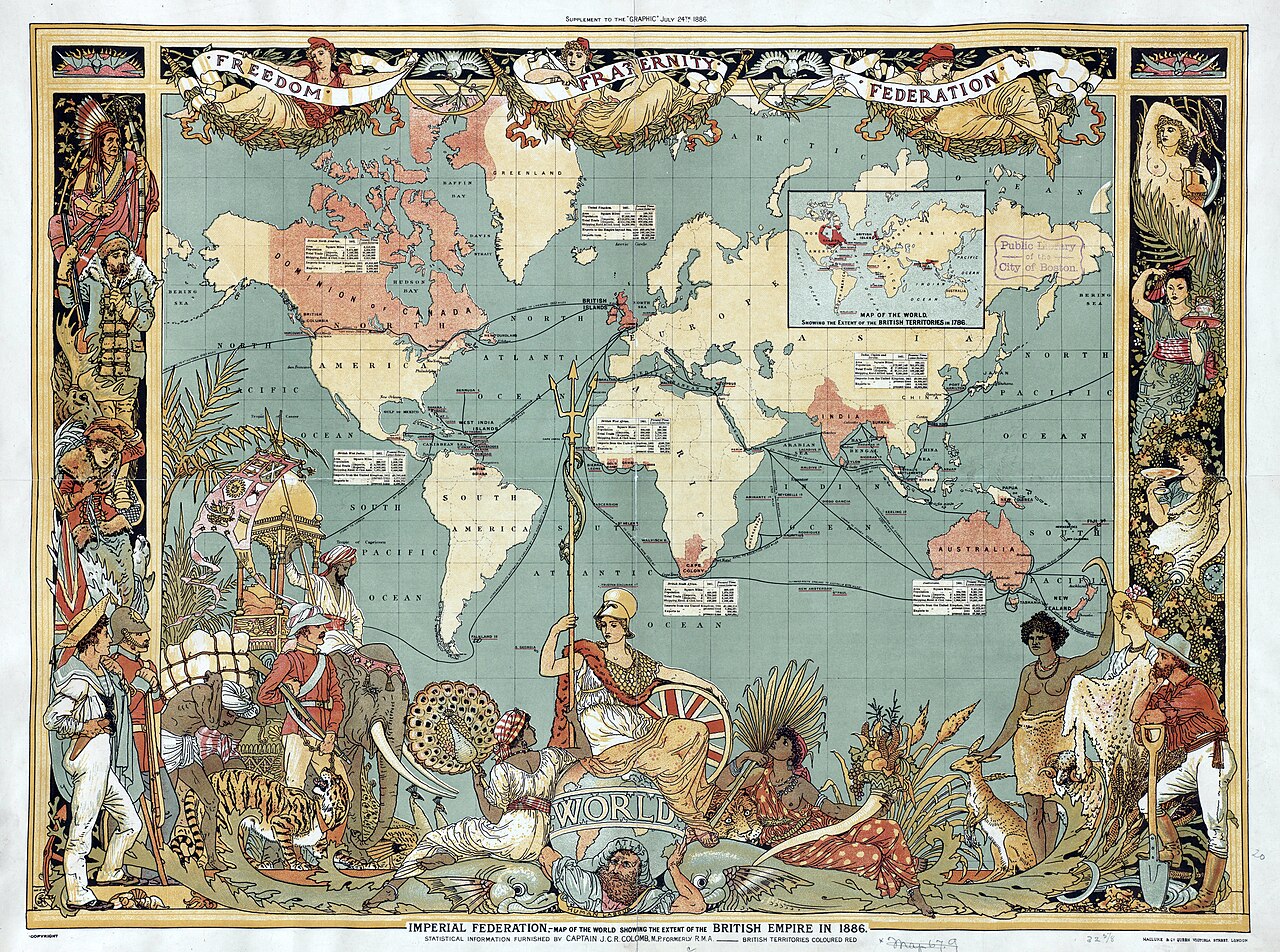
The steamboats, railways, and telegraph reconfigured India’s political economy in gross ways, the outward appearance of benevolence obscuring their economic structure was a drain on India’s economy—part of a program for “drawing up riches from the banks of the Ganges and, squeezing them down upon the banks of the Thames“— the unequal terms acting to deepen India’s transformation “from a manufacturing country into a country exporting raw produce,” exacerbating social tensions and increasing economic dependency.
Indian Indenture System
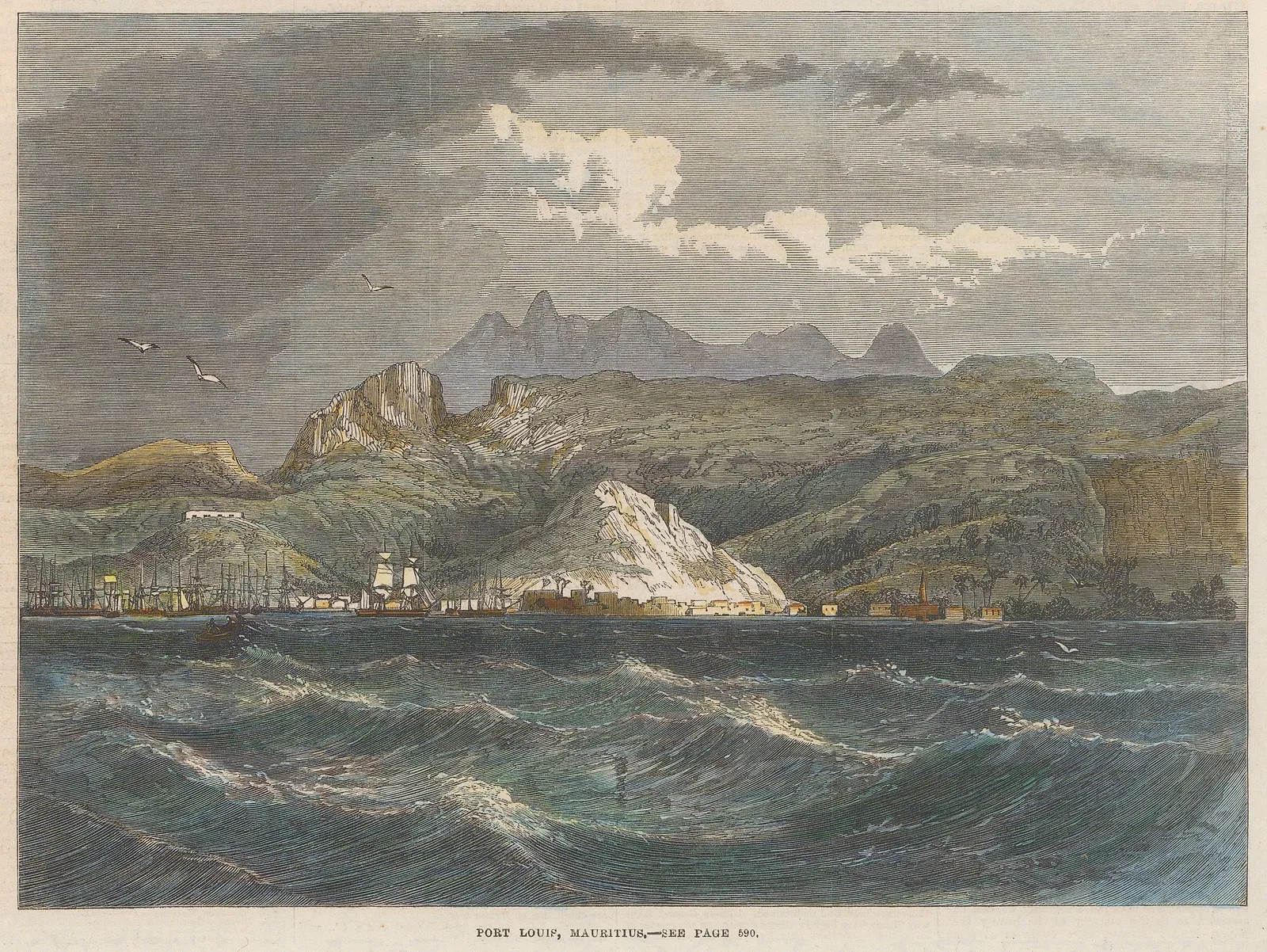
Indian Arrival Day:After Slavery There Was Indian Indenture, Wage Labor, Migrants
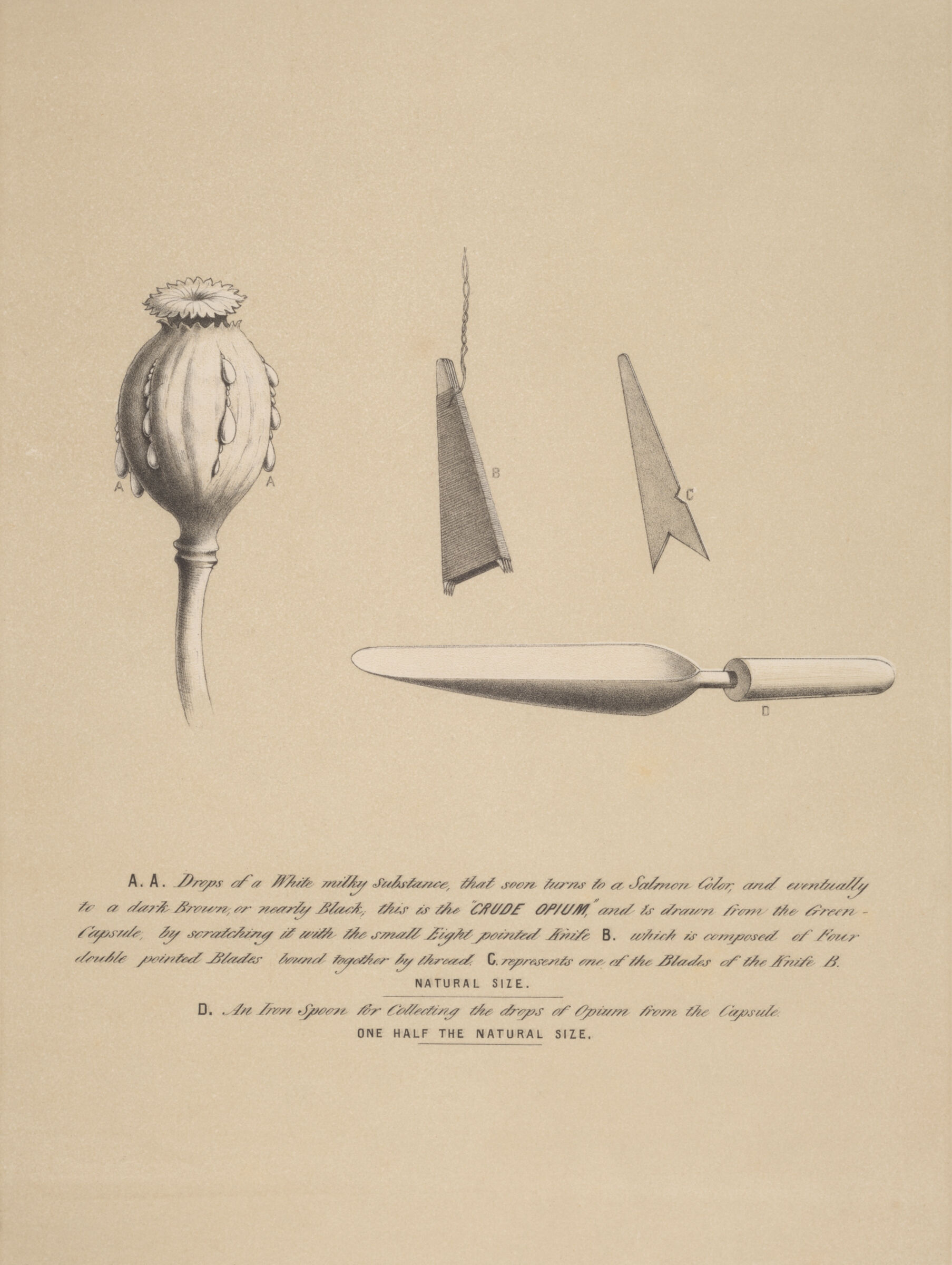
Opium Wars
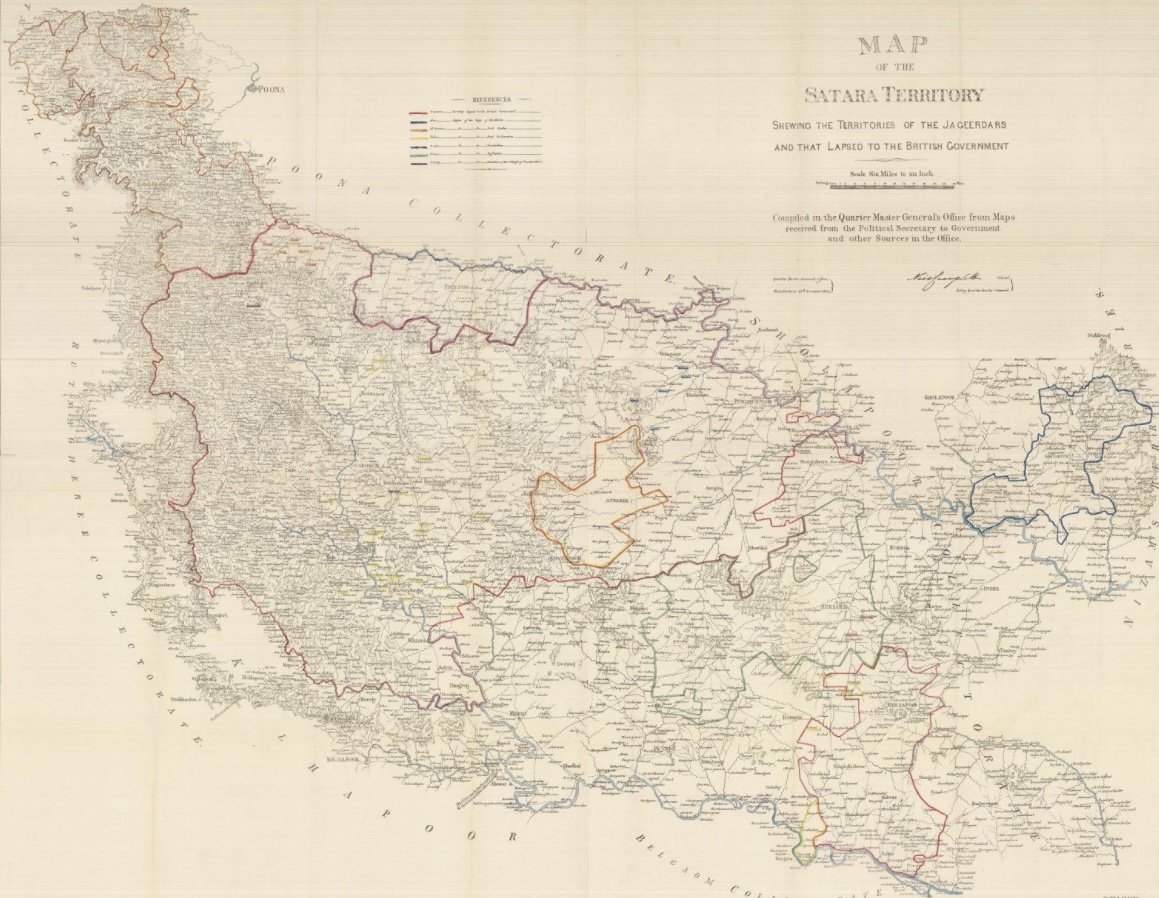
Doctrine of Lapse
The British Rule in India
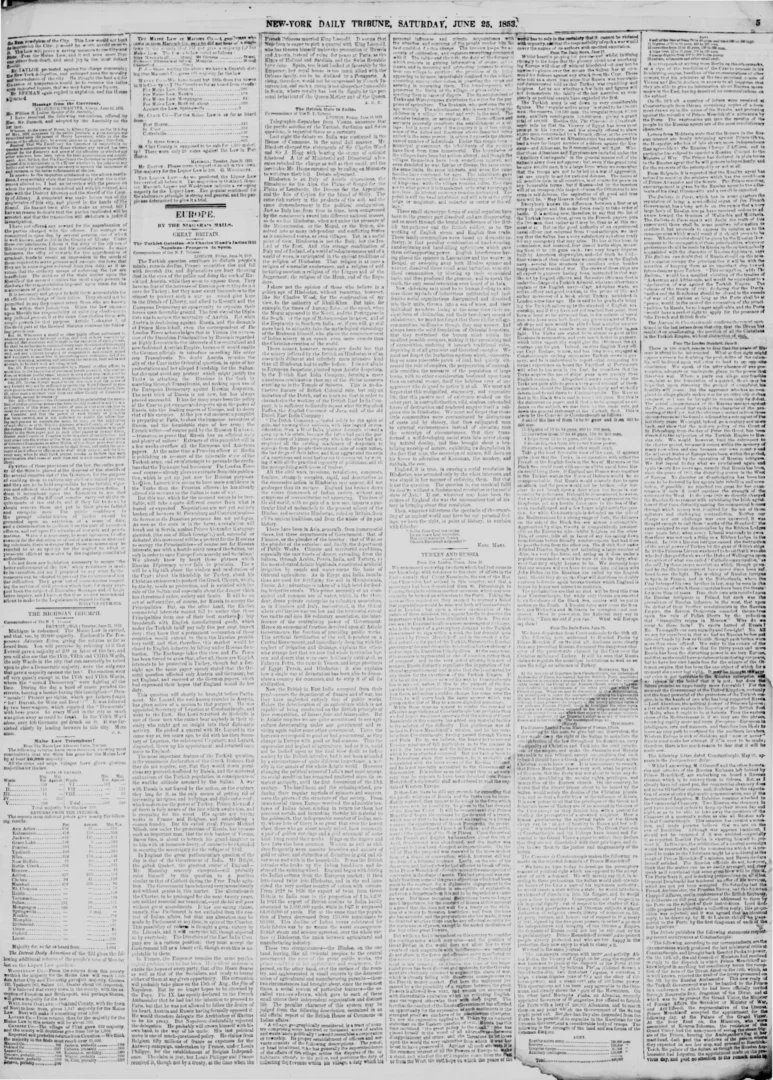
“Historical materialism” Asiatic Mode of Production
No. 4/ Historians and Historiography: Situating 1857
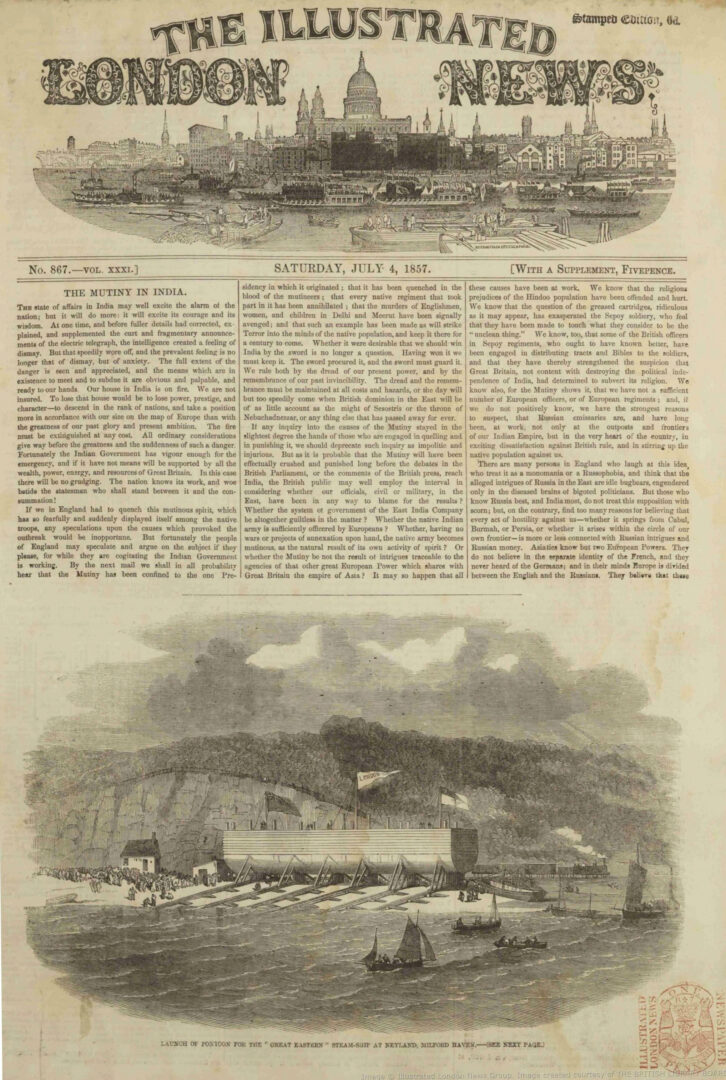
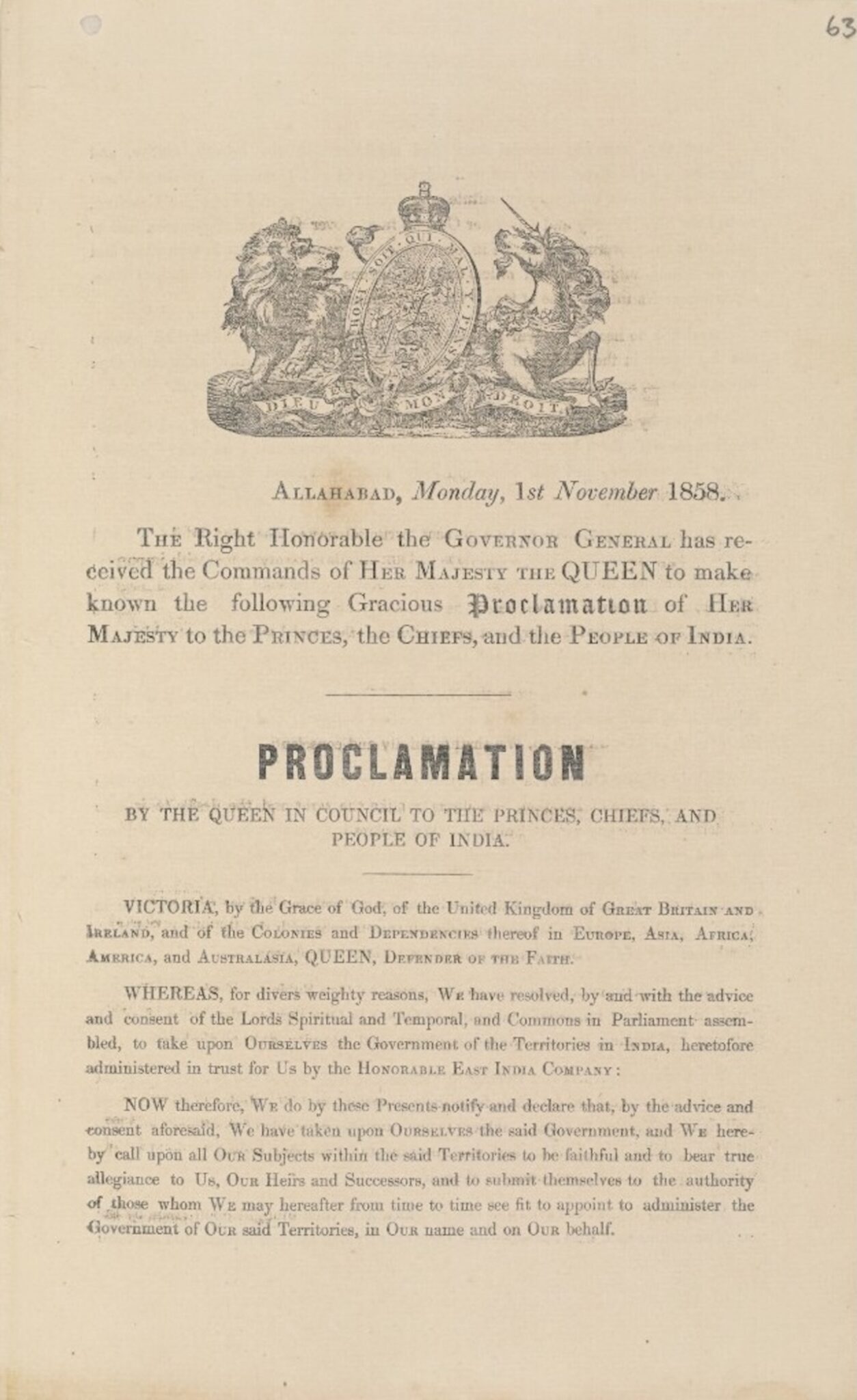
The many interpretations of the Sepoy Mutiny and the Revolt of 1857 within India’s national literature reflect the event(s) undecided place in India’s history—from “the last effort of the dethroned feudal potentates to regain their power“ to a vast upsurge against colonial rule—stemming from a fractured national historiography and the knot of a colonial discourse prefacing the event(s) as “the most signal illustration of our [English] great national character ever yet recorded.“
“The Mutiny In India”
Queen Victoria’s Proclamation
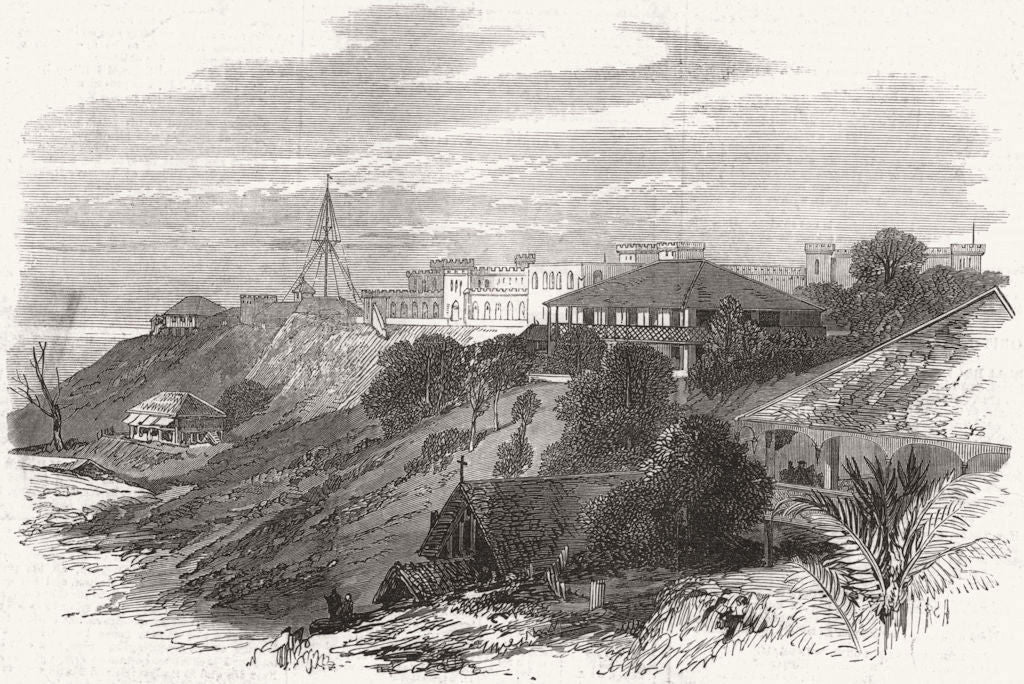
Ross Island Penal Colony
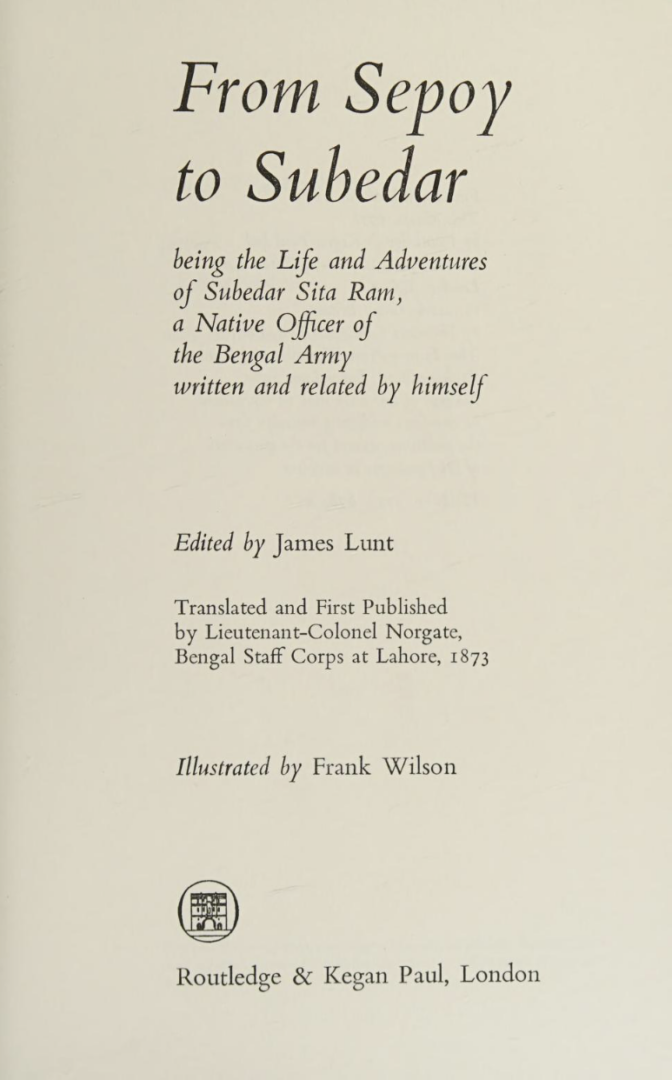
From Sepoy to Subedar
Civilizing Mission
No. 5/ The Politics of Identity and Enumeration in India c. 1600-1990
The&nb sp;spread of the loanword caste, from the Iberian casta, in India reveals the degree to which British attempts to catalog Indian society as “petrified in the merely natural classification” succeeded in giving legal form to colonial scholarship—locating the cause of India’s predicament to an imaginary past, even as colonial administrators argued elsewhere “in India, that haughty spirit, independence, and deep thought, which the possession of great wealth sometimes gives, ought to be suppressed.” Europeans had been describing Indian society in terms of caste since the Portuguese. But when they tried to conduct a caste census they found the reality did not fit their model.
Criminal Tribes Act
Great Famine of 1876–1878
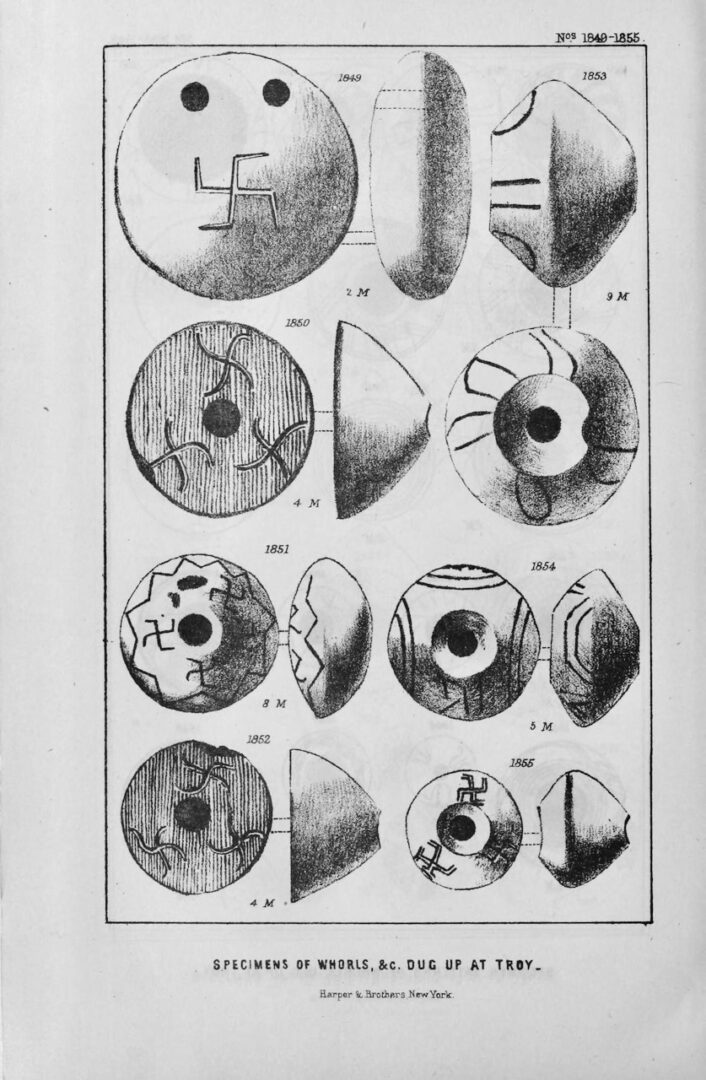
Hakenkreuz
Caste Encoded Into History
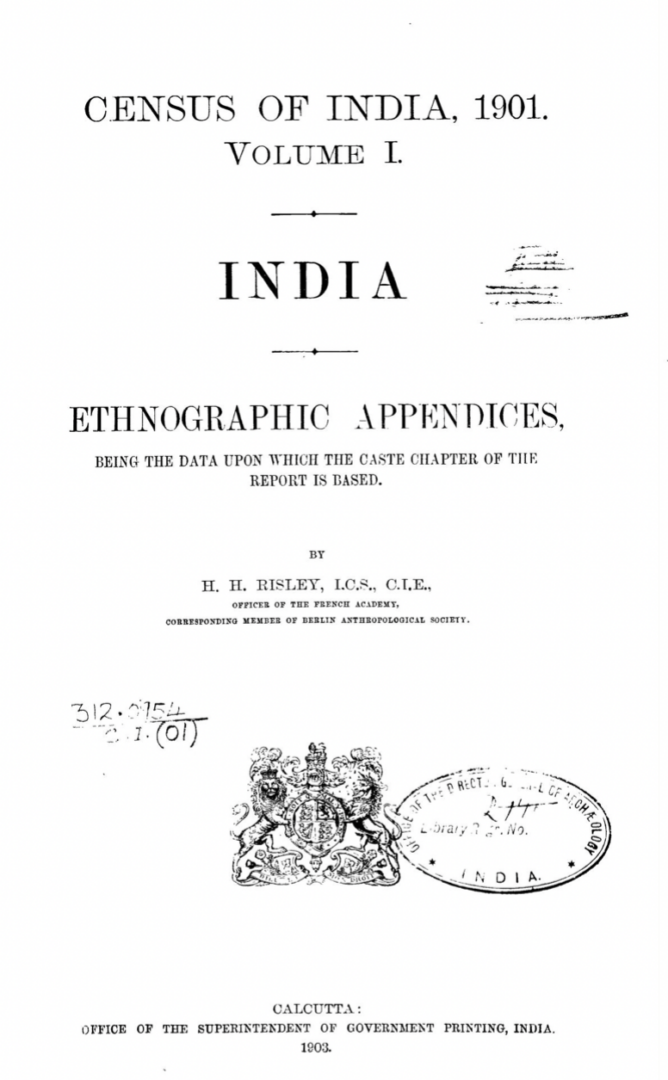
Indian Response: United States v. Bhagat Singh Thind: Caucasian vs Aryan, Annihilation of Caste
No. 6/ Indian Nationalism 1885-1905
The creation of the Republic of India marked the culmination of a multigenerational freedom struggle—representing a new compact calling on the people of India “to build the noble mansion of free India where all her children may dwell,” tempered by a partition displacing millions in the Name of a Two Nation Theory—a coincidence of opposites underscoring competing ideas on national identity that continue to shape politics in India and abroad.
National Party
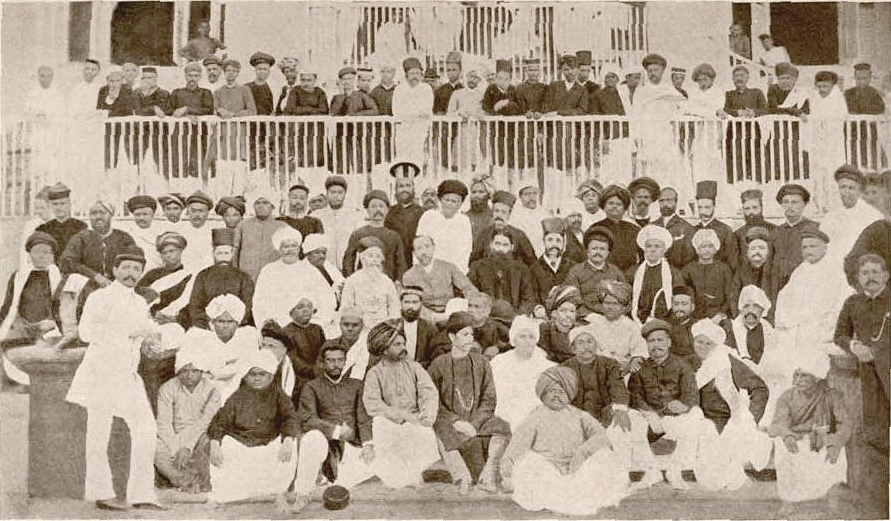
Bengal Partition
Non-Violent Movement
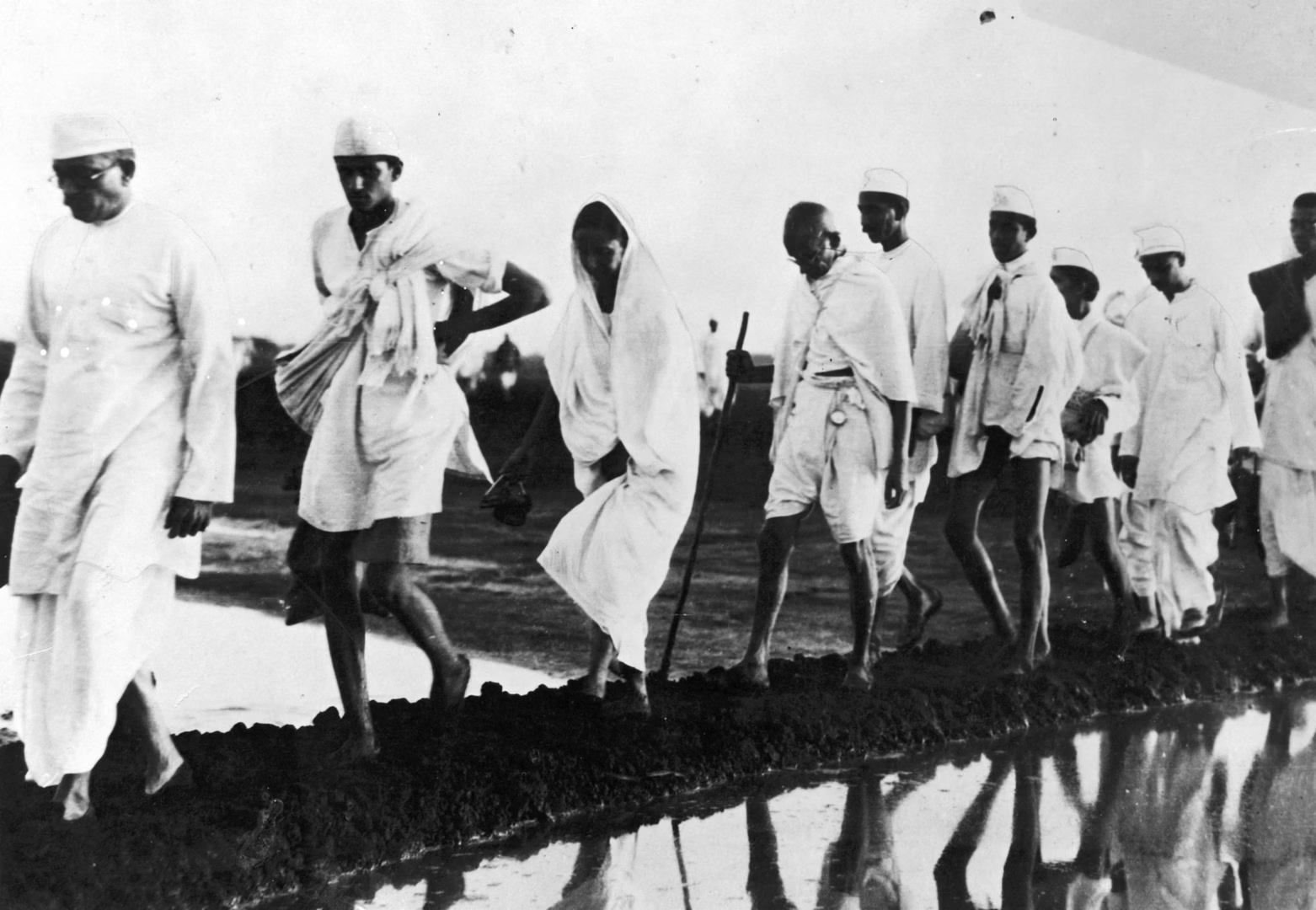
Quit India Resolution
The Discovery of India
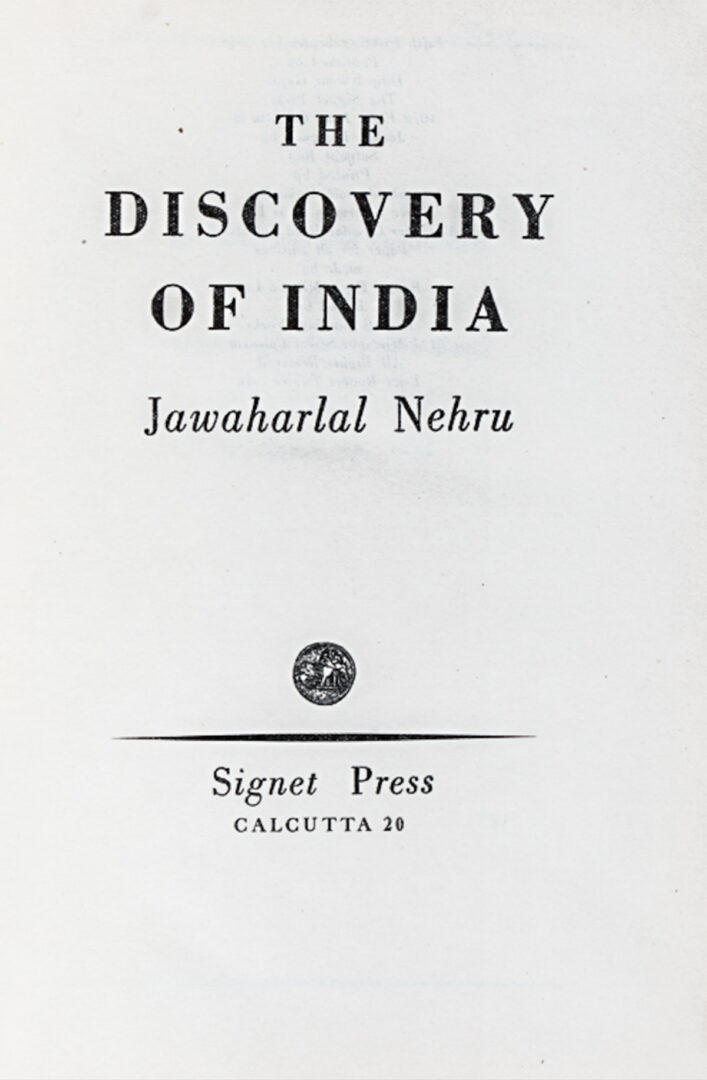
No. 7/ Postcolonial Criticism and Indian Historiography
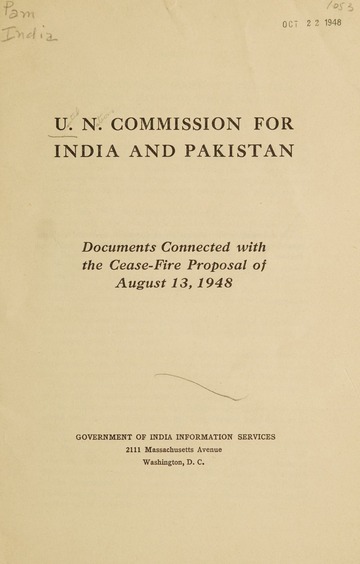
UN Commission For India And Pakistan
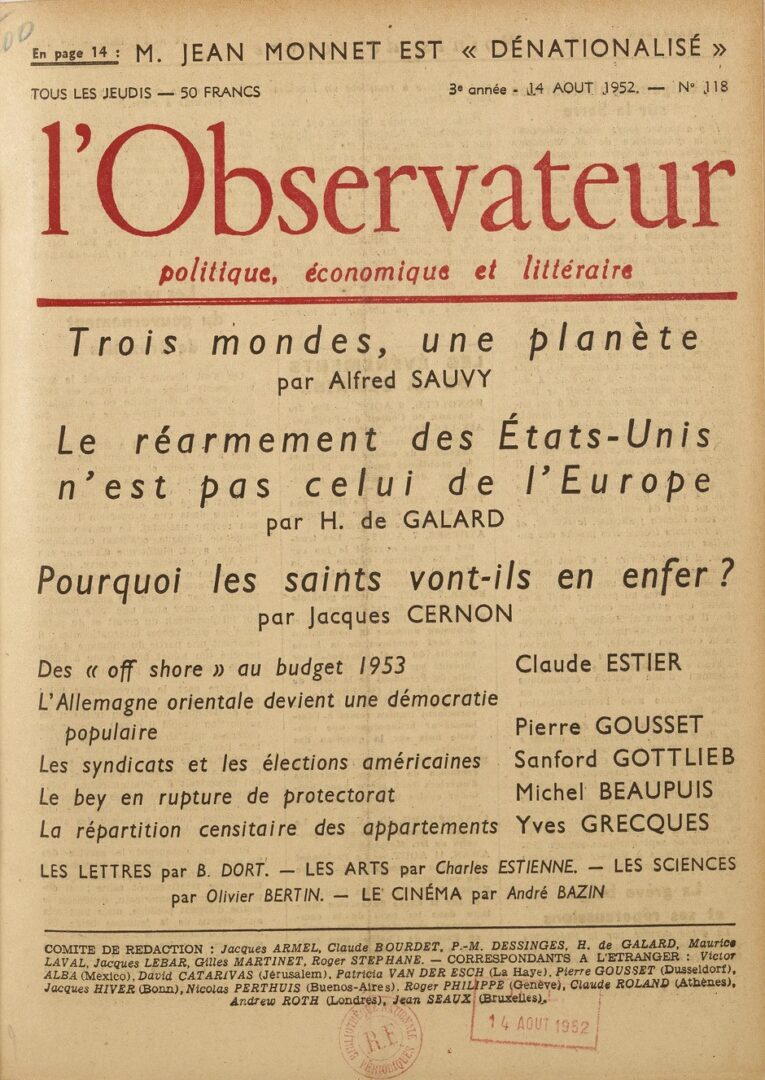
TROIS MONDES, UNE PLANÈTE
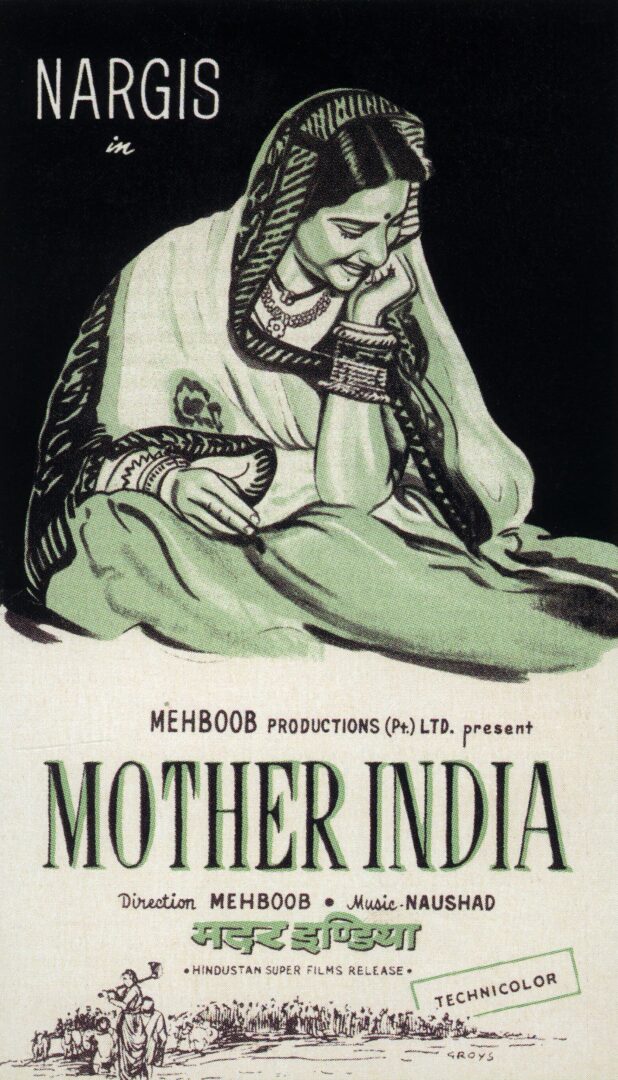
Indian Cinema
Hippie Trail
Orientalism, Free Movement, Rainbow Capitalism
History of the Freedom Movement in India
BIBLIOGRAPHY
- Azad, Maulana Abul Kalam. Foreword. Eighteen Fifty-Seven, by Surendra Nath Sen, Publications Division, Ministry of Information & Broadcasting, Government of India, 1957, pp. v-xxi.
- Baldwin, James and William F Buckley, participants. “The American Dream and the American Negro.“ The Cambridge Union Society, 18 February 1965. BBC.
- Burke, Edmund. “Speeches in the Impeachment of Warren Hastings, Esquire, Late Governor-General of Bengal.“ The Works of the Right Honourable Edmund Burke, vol. 9. John C. Nimmo, 1887, pp. 327-493.
- Carr, Edward Hallett. “The Historian and His Facts.“ What is History?. Knopf, 1961, pp. 3-36.
- Chakrabarti, Dilip K.. ”The Interplay of Race, Language, and Culture.“Colonial Indology: Sociopolitics of the Ancient Indian Past. Munshiram Manoharlal Publishers Pvt. Limited, 1997, pp. 54-151.
- Chand, Tara. Preface. History of Freedom Movement in India, vol 1, Publications Division Ministry of Information & Broadcasting, 1961, pp. xi-xiii.
- Chatterjee, Partha. “The Cunning of Reason.“ Nationalist Thought and the Colonial World: A Derivative Discourse, University of Minnesota Press, 1986, pp. 167-170.
- Chaudhuri, Sashi Bhusan. “Historical Background.“ Civil Rebellion in the Indian Mutinies, 1857-1859, World Press, 1957, pp. 1-60.
- Clausewitz, Carl von. “What is War?” On War, translated by James John Graham. N. Trb̈ner & Co., 1873, pp. 1-13.
- Clive, Robert. “Disorders in Bengal.“ The Life of Robert, Lord Clive, vol 2, edited by John Malcolm. J. Murray, 1836, pp. 261-316.
- Das, Sisir Kumar. “Political Movements and Indian Writers.“ A History of Indian Literature: 1911-1956, struggle for freedom : triumph and tragedy. Sahitya Akademi, 1995.
- Digby, William. “Proem.” ‘Prosperous’ British India, T. Fisher Unwin, 1901, pp. 3-22.
- Dirks, Nicholas. “Introduction: The Modernity of Caste.“ Castes of Mind, Princeton University Press, 2011, pp. 3-17.
- Dodwell, H. H. “The Development of Sovereignty in British India.“ The Cambridge History of India: British India, 1497-1858, vol. 5, Cambridge University Press, 1962, pp. 589-608.
- Du Bois, W. E. B.. “Of Our Spiritual Strivings.“ The souls of black folk, essays and sketches, A. C. McClurg & co, 1903, pp. 1-12.
- Dumont, Louis. “History of Ideas.“ Homo Hierarchicus: The Caste System and Its Implications, translated by Mark Sainsbury, University of Chicago Press, 1970, pp. 21-32.
- Durant, Will. “For India.“ The Case for India, Simon and Schuster, 1930, pp. 1-56.
- Elst, Koenraad. “The Incurable Hindu Fondness for Pn Oak.“ Blogger, 2010, archive.org. Accessed 25 March 2012.
- Fanon, Frantz. ”On Violence.” The Wretched of the Earth. Translated by Constance Farrington. Grove Press, 1963, pp. 35-106.
- Firminger, Walter K. “The Grant Of The Diwani Of Bengal, Bihar And Orissa, 1765.“ Bengal, Past & Present: Journal of the Calcutta Historical Society, Calcutta Historical Society, 1914, pp. 11-26.
- Forrest, George. “1765-7: Governor of Bengal.” The Life of Lord Clive, vol. 2, Cassell and Company, 1918, pp. 294-342.
- Foucault, Michel. “Truth and Power.” Power/knowledge : selected interviews and other writings, 1972-1977, edited by Colin Gordon, Pantheon Books, 1980, pp. 109-133.
- Freud, Sigmund. “Humor.“ The Standard Edition of the Complete Psychological Works of Sigmund Freud, translated by James Strachey, vol. 21, Hogarth Press and the Institute of Psycho-analysis, 1961, pp. 160-66.
- Gandhi, Mahatma. “Discussion With Woodrow Wyatt.“ The Collected Works of Mahatma Gandhi. Volume 83, The Publications Division, 1981, pp. 404-406.
- Guénon, René. “Preface.“ The Crisis of the Modern World, translated by Marco Pallis et al.,Sophia Perennis, 2001, pp. 1-6.
- Hannah-Jones, Nikole. “The 1619 Project.“ New York Times magazine, 2019.
- Harvey, David. “The spatial fix–Hegel, von Thunen, and Marx.” Antipode 13.3 (1981): 1-12.
- Havell, Ernest Binfield. “Introduction.” The history of Aryan rule in India from the earliest times to the death of Akbar, Fredrik. A. Stokes Company, 1918, pp. v-xvi.
- Hegel, Georg Wilhelm Friedrich. “Introduction.“ The Philosophy of History, translated by John Sibree, Henry G. Bohn, 1861, pp. 1-82.
- Hobbes, Thomas. “Of the First and Second Naturall Lawes, and of Contracts.“Leviathan, or, the Matter, Forme and Power of a Common-Wealth, Ecclesiasticall and Civill, Andrew Crooke, at the Green Dragon in St. Pauls Church-yard, 1651, pp. 96-107.
- Inden, Ronald B. Imagining India. Blackwell, 1990, pp.7-43.
- Jinnah, Muhammad Ali. “Address of the Founder of Pakistan Quaid-E-Azam Muhammad Ali Jinnah on 11th August, 1947 to 1st Constituent Assembly.“ Speeches, Statements & Messages of the Quaid-e-Azam: 1946-1948, edited by Khurshid Ahmed Khan Yusufi. Bazm-e-Iqbal, 1996, pp. 2601-2602.
- Johnson, W. J.. “caste.“ A Dictionary of Hinduism. OUP Oxford, 2009, p. 80-81.
- Kaye, John William. “Preface.“ A History of the Sepoy War in India, 1857-1858, vol 1, W.H. Allen, 1870, pp. xii-xiv.
- Kerr, Robert. “History of the Discovery and Conquest of India by the Porugues, between the Years 1497 and 1505: From the Original Portuguese of Herman Lopes De Castaneda.“ A General History and Collection of Voyages and Travels, vol. 2, William Blackwood, J. Murray, J. Cuming, 1811, pp. 292-504.
- Lacan, Jacques. “The Function and Field of Speech and Language in Psychoanalysis.“ Ecrits: A Selection, translated by Alan Sheridan. Routledge, 2001, pp. 33-125.
- Lewis, Martin W. and Kären Wigen. “World Regions: An Alternative Scheme.“ The Myth of Continents: A Critique of Metageography, University of California Press, 1997, pp. 157-88.
- Locke, John. “Of Slavery.“ Two Treatises of Government, 1689, pp. 205-07.
- Löwith, Karl. “Introduction.“ Meaning in History: The Theological Implications of the Philosophy of History. University of Chicago Press, 1949, pp. 1-19.
- Majumdar, Ramesh Chandra. “Introduction.“ The Sepoy Mutiny and the Revolt of 1857, 1963, pp. xi-xii.
- Mayo, Ketherine. “Less Than Men.“ Mother India, Harcourt, Brace, And Company, Inc., 1927, pp. 150-163.
- Mills, James. “From The Establishment, On Legislative Authority, Of One Exclusive Companay, In The Year 1708, Till The Change In The Constitution Op The Company, By The Act Of 13th Geo. III. In 1773.” The History of British India, vol iii, James Madden, 1840, pp. 85-152.
- Muir, J. “Art. IX–On the Interpretation of the Veda.” The Journal of the Royal Asiatic Society of Great Britain and Ireland, vol. 2, 1835, pp. 303-402.
- Mukherjee, Mithi. “Justice, War, and the Imperium: India and Britain in Edmund Burke’s Prosecutorial Speeches in the Impeachment Trial of Warren Hastings.“ Law and History Review, vol. 23, no. 3, 2005, pp. 589-630.
- Müller, Friedrich Max. “The Arian Settlers and Aboriginal Races of India.” Outlines of the Philosophy of Universal History Applied to Language and Religion, edited by Christian Karl Josias Freiherr von Bunsen, Longman, Brown, Green, and Longmans, 1854, pp. 340-348.
- Müller, Friedrich Max. “Letter to the Duke of Argyll [Secretary of State for India].“ The Life and Letters of the Right Honourable Friedrich Max Müller, vol. 1, edited by Georgina Adelaide Müller, Longmans, Green And Company, 1902, pp. 357-358.
- Mun, Thomas. “The Exportation of Our Moneys in Trade of Merchandize Is a Means to Encrease Our Treasure.“ England’s Treasure by Forraign Trade, Thomas Clark, 1664, pp. 9-18.
- Naoroji, Dadabhai. “Poverty of India.” Poverty and Un-British Rule in India, Publications Division, Ministry of Information and Broadcasting, Govt. of India, 1901, pp. 1-125.
- Nehru, Jawaharlal. “Tryst with Destiny.“ Jawaharlal Nehrus Speeches, vol 1, Publications Division Ministry of Information and Broadcasting, 1949, pp. 25-26.
- Ortiz, Fernando. “On the Social Phenomenon of “Transculturation“ and Its Importance in Cuba.“ Cuban Counterpoint, Tobacco and Sugar, Duke University Press, 1995, pp. 97-103.
- PhiLiP. Gama route 1. 18 Sept. 2008. Wikimedia Commons.
- Polanyi, Karl. “Rise and Fall of Market Economy.” The Great Transformation. Farrar & Rinehart, 1944, pp. 151-162.
- Quijano, Anibal. “Coloniality of Power and Eurocentrism in Latin America.“ International sociology, vol. 15 no. 2, 2000, pp. 215-32.
- Risley, Sir Herbert Hope. “The Physical Types.“ The People of India, Thacker, Spink And Company, 1915, pp. 1-61.
- Roth, Catharine. “Know Thyself.” Suda On Line: Byzantine Lexicography, edited by David Whitehead, University of Kentucky, 2002, archive.org. Accessed 17 September 2019.
- Roy, Manabendra Nath. “Rise of the Bourgeoisie.“ India in Transition, J.B. Target, 1922, pp. 17-41.
- Said, Edward. “Introduction.“ Orientalism, Pantheon Books, 1979, pp. 1-29.
- Sanil, Sharan. “The Outrageous Life of P.N. Oak: The Teacher, Soldier, and Conspiracy Theorist Behind the Taj Mahal Row.“ MW.Com India, 2022, archive.org. Accessed 13 May 2022.
- Sir William Jones. “485. To the First Marquis of Cornwallis.“ The Letters of Sir William Jones, vol. 2. Clarendon Press, 1970, pp. 794-800.
- Sparks, John B. “The Histomap, Four Thousand Years of World History; Relative Power of Contemporary States, Nations, and Empires.“ Print, Rand McNally & Co., 1931.
- Sapir, Edward. “Communication.“ Encyclopedia Of The Social Sciences, edited by Edwin R.A. Seligman, volume 3, The MacMillian Company, 1923, pp. 78-81.
- Sridharan, Kripa. “Grasping the Nettle: Indian Nationalism and Globalization.“ Nationalism and Globalization : East and West, edited by Leo Suryadinata. ISEAS, 2000, pp. 294-318.
- Sullivan, John. Are we bound by our Treaties? A plea for the Princes of India. Effingham Wilson, 1853.
- Terrace, Carlton. Preface. Outlines of the Philosophy of Universal History Applied to Language and Religion, edited by Christian Karl Josias Freiherr von Bunsen, Longman, Brown, Green, and Longmans, 1854, pp. A3-A6.
- Tilak, Shrinivas. “P.N.Oak: The Lone Fighter, Etymologist, and Historian.“ Blogspot, 2008, archive.org. Accessed 22 January 2024.
- Trautmann, Thomas R. “The Racial Theory of Indian Civilization.“ Aryans and British India, Yoda Press, 2005.
- Travers, Robert. “A British Empire by Treaty in Eighteenth-Century India.“ Empire by Treaty: Negotiating European Expansion, 1600-1900, Oxford University Press, 2014, pp. 132-60.
- Trentmann, Frank. “Imperium of Things.” Empire of Things: How We Became a World of Consumers, from the Fifteenth Century to the Twenty-First, Penguin Books, 2017, pp. 119-173.
- Weber, Max. “India and Hinduism.“ The Religion of India : The Sociology of Hinduism and Buddhism. Translated by Hans Gerth and Don Martindale, Free Press, 1958, pp. 3-54.
- Report from the Select Committee of the House of Lords Appointed to Consider of the Petition of the East India Company for Relief. “Minutes of Evidence To The Petition of the East India Company for Relief.“ House of Lords, 1840, pp. 3-160.
- The Fifth Report from the Select Committee on the Affairs of the East India Company, “Appendix, No. 31.“ House of Commons, Select Committee on the East India Company, 1812, pp. 908-1008.
- The Sessional Papers Printed By Order of The House of Lords, or Presented by Royal Command, In The Session 1852-3. “Copies Of Any Correspondence Between The Government Of India And The Court Of Directors, And Of Any Documents Received From India, Relative To The Lines To Be Selected For The System Of Railway Communication In That Country.” vxiii, House of Lords, 1854, pp. 267-434.
