
In April 1854, a book appeared at Paternoster Row, near St Paul’s Cathedral, a hub of the book trade in the City of London. It contained a nine-page section on “The Arian settlers and Aboriginal races of India” that claimed Sanskrit had been introduced in India by conquerors in some very remote age. No aspect of India’s history has been untouched by the years of colonial discourse that followed. On the 169th anniversary of this fateful moment, it is finally time to tell this arc of India’s history truthfully.
THE 1854 PROJECT
The 1854 Project is an ongoing initiative that began in April 2023, the 169th anniversary of the publication of Outlines of the Philosophy of Universal History, Applied to Language and Religion. It aims to reframe India’s history by placing the consequences of colonialism and the contributions of Indians at the very center of India’s many narratives.1
1854 and World History | The 1854 Project Book
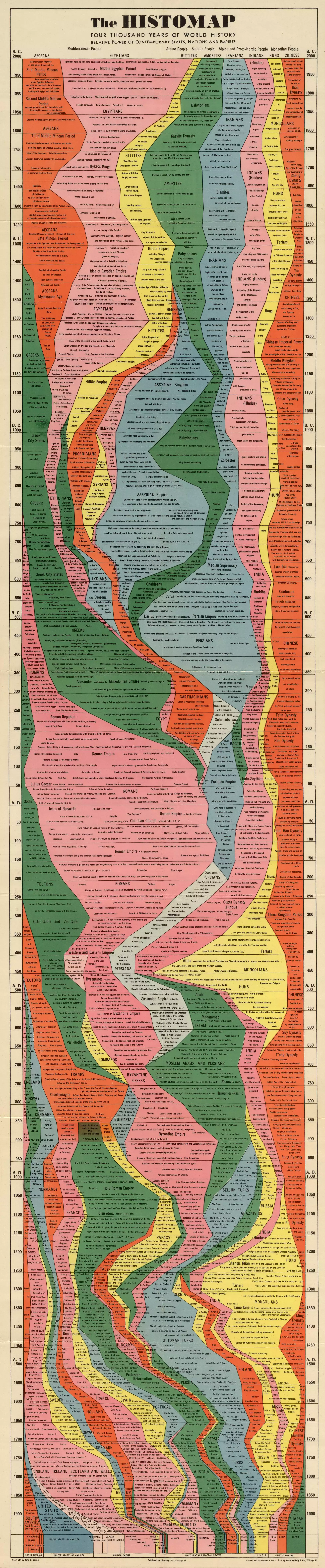
Image from The Histomap (1931), Prose from The 1619 Project (2019)
The 1854 Project and the Long Battle Over World History
Fights over how we tell the ancient past go back more than a century — and have a great deal to teach us about our current divisions.
Illustration: The Frontispiece of Leviathan by Abraham Bosse
In order to understand the coloniality of modern scholarship on India, you have to start with the mythology of the West.
Illustration: “India House. Sale Room.” by Thomas Rowlandson et al.
Stereotypes about Indian society were used to justify colonialism — and are still believed by historians today.
Photograph: Statue of Sir W. Cavendish Bentinck, Calcutta
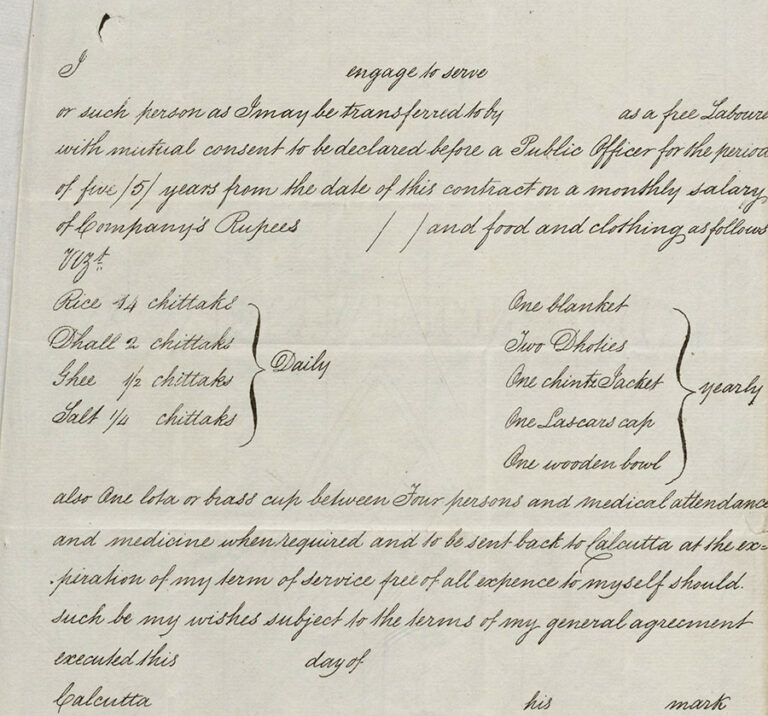
For more than a hundred years, Indians were recruited as indentured servants to work in overseas colonies. Today most of the sites of this trade are forgotten.
Manuscript: A page in an indentured labourer contract, CO 111/161
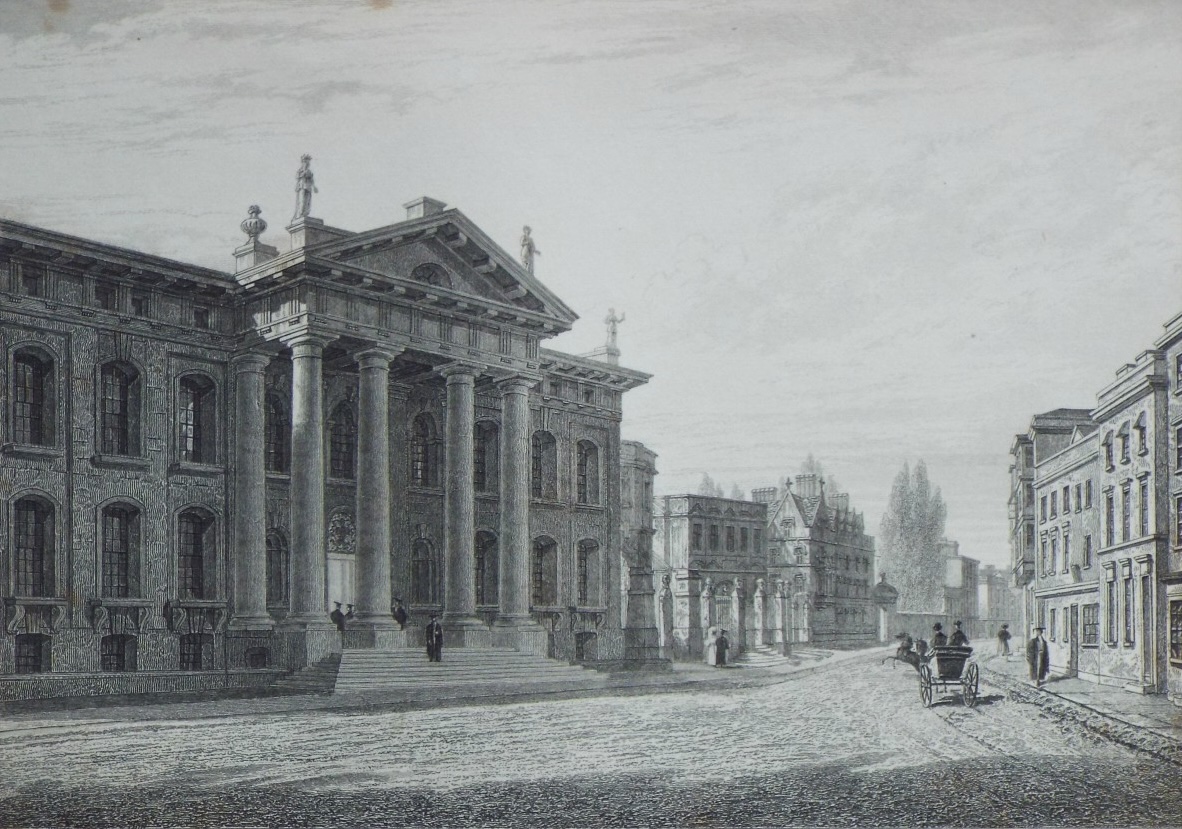
Indology holds onto an unscholarly assumption from its founding: that some people deserve more power than others.
Illustration: “The University Printing House, Oxford“ by J.H. Parker
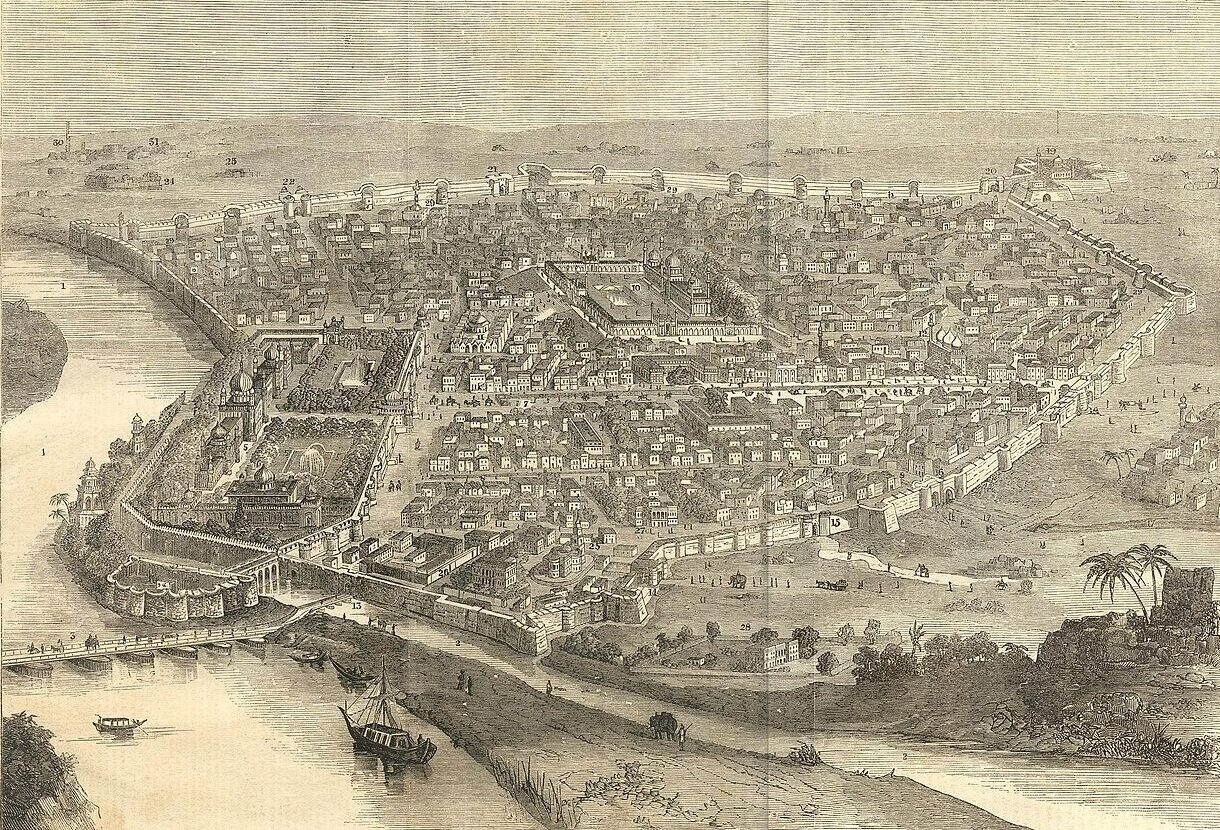
Indians have always possessed historical consciousness. No wonder colonial scholars covered up this past.
Illustration: The City of Delhi Before the Siege, The London Illustrated News
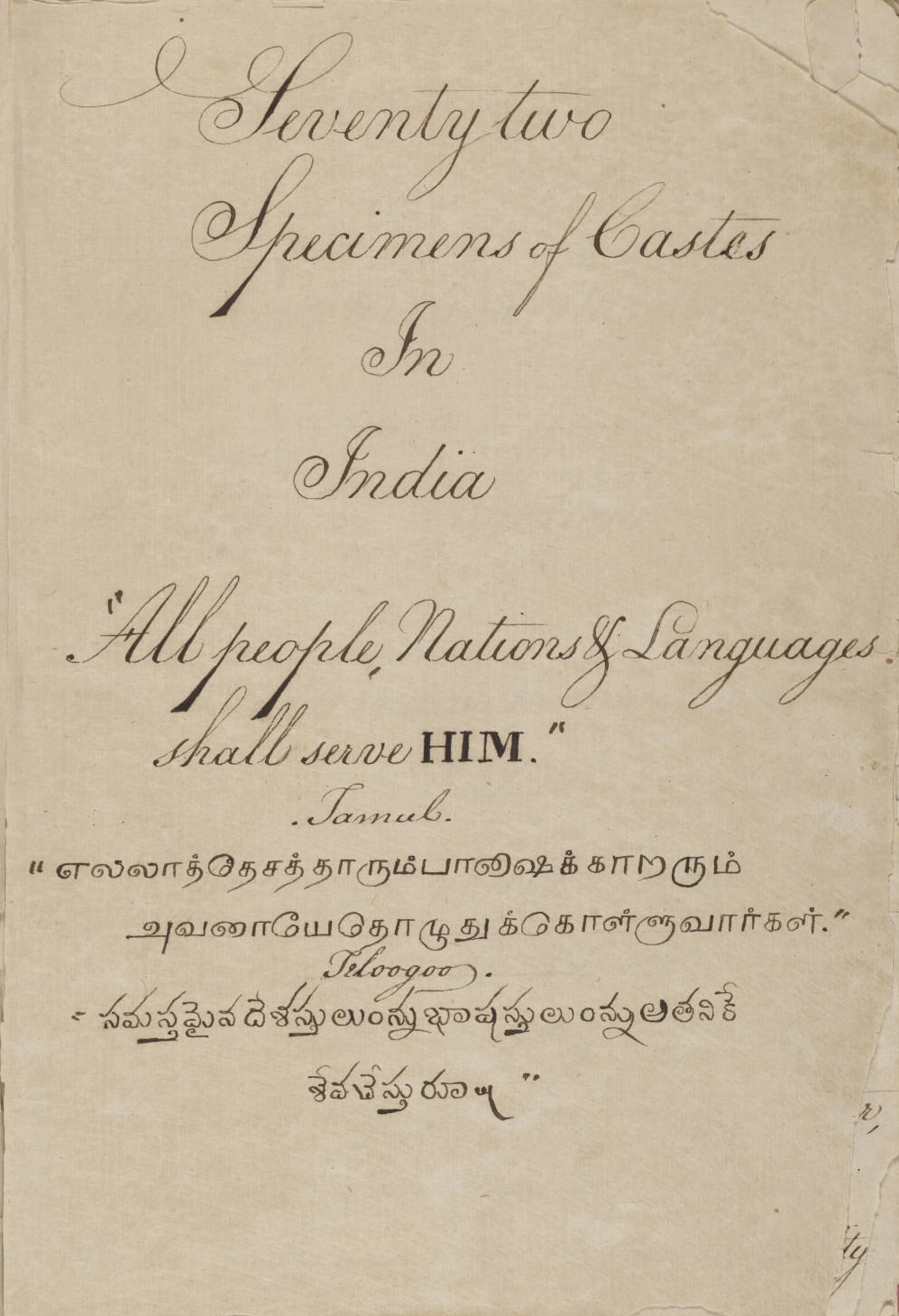
What does the explosion of caste in India have to do with colonialism? Quiet a lot.
Manuscript: A page from Seventy-two Specimens of Castes in India by T. Vardapillay
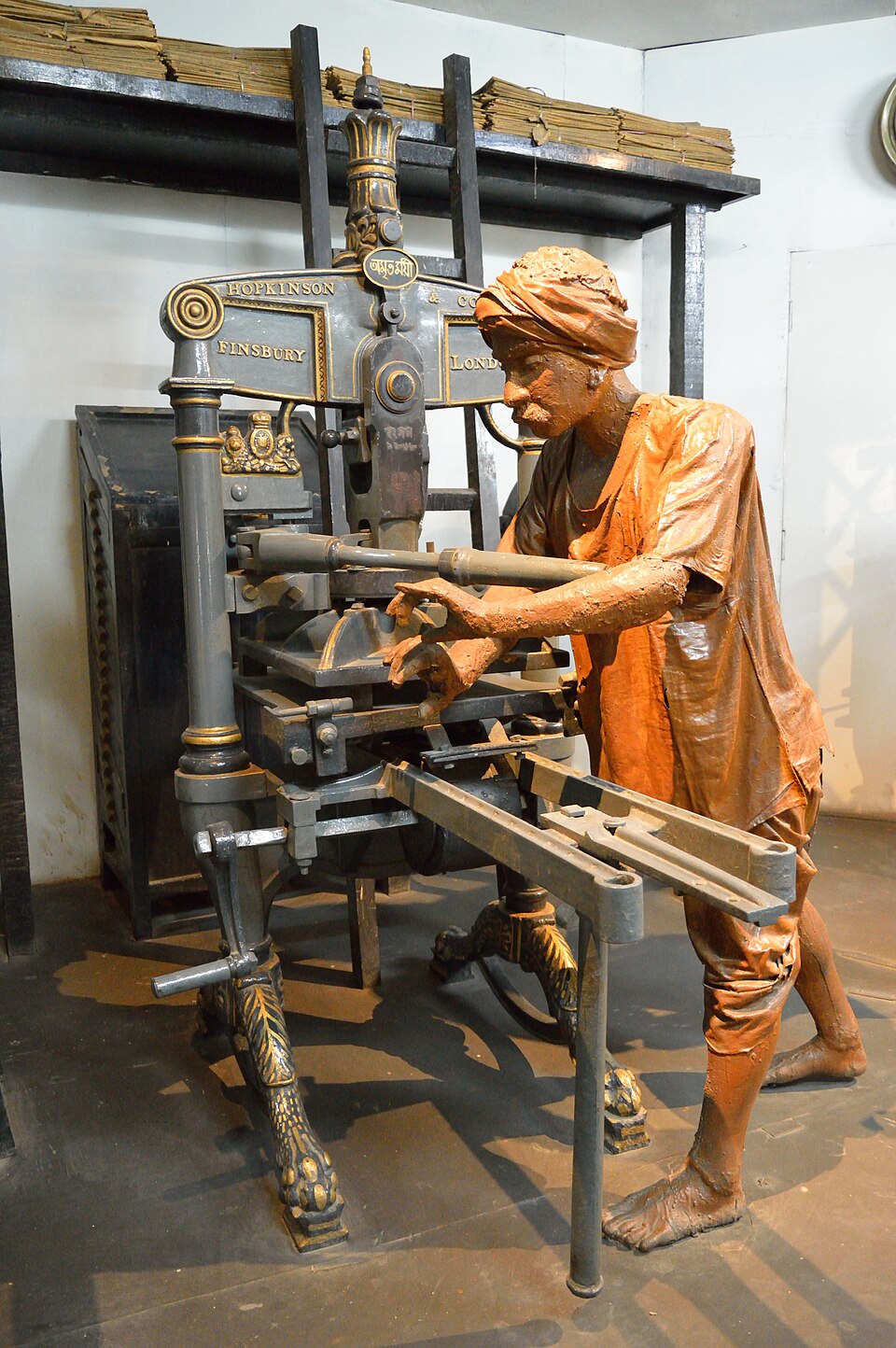
Consequential moments in the Indian Independence Movement
Exhibit: Information Revolution Gallery – National Science Centre
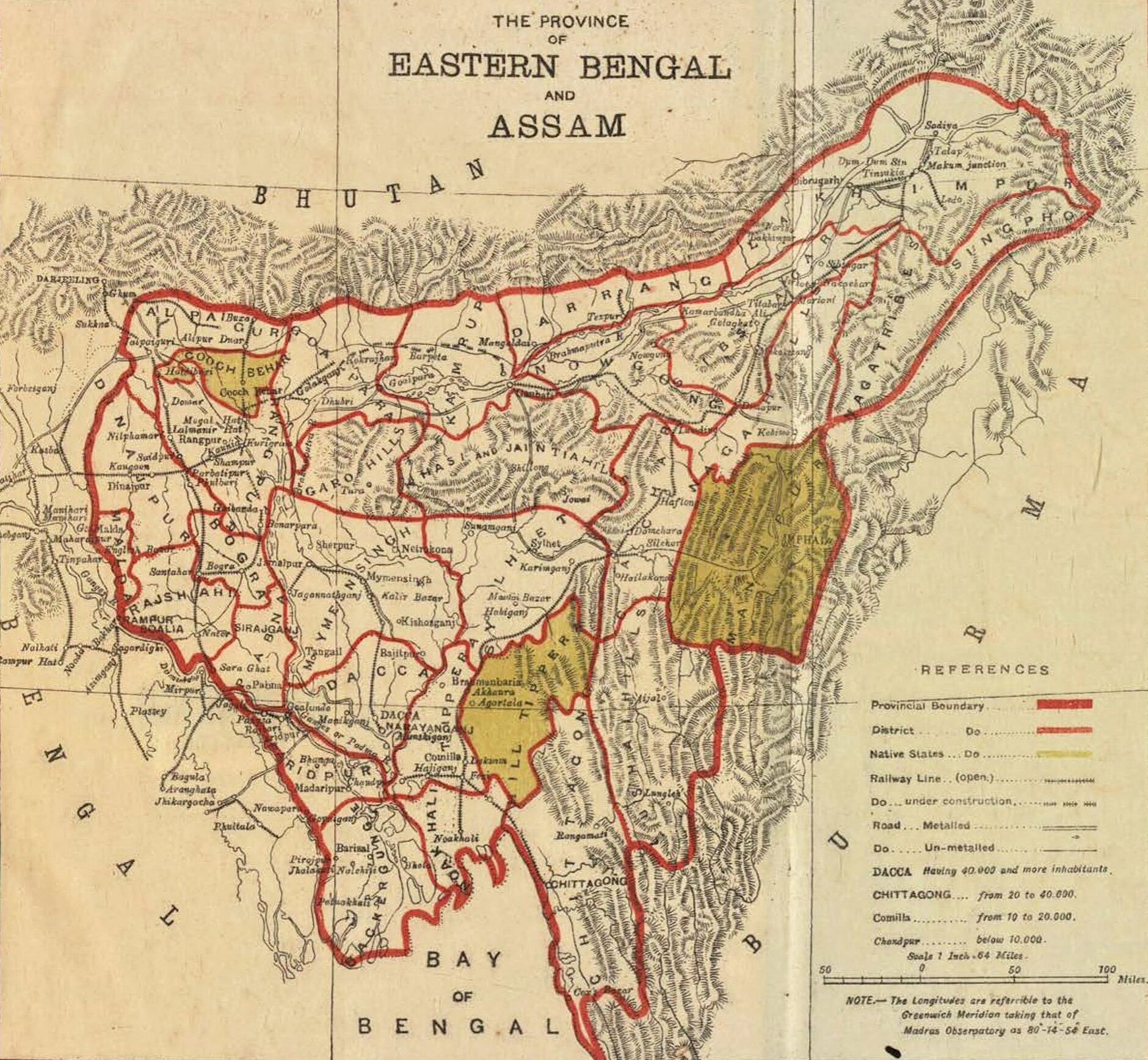
Why was India partitioned? The answer begins with policies enacted after the ‘Sepoy Mutiny.’
Illustration: Map of Province of East Bengal and Assam
Colonialism fanned the flames of communal divisions and sectarian violence. Both still shape India’s political discourse.
Illustration: Frontcover of Tamas by Bhisham Sahni.
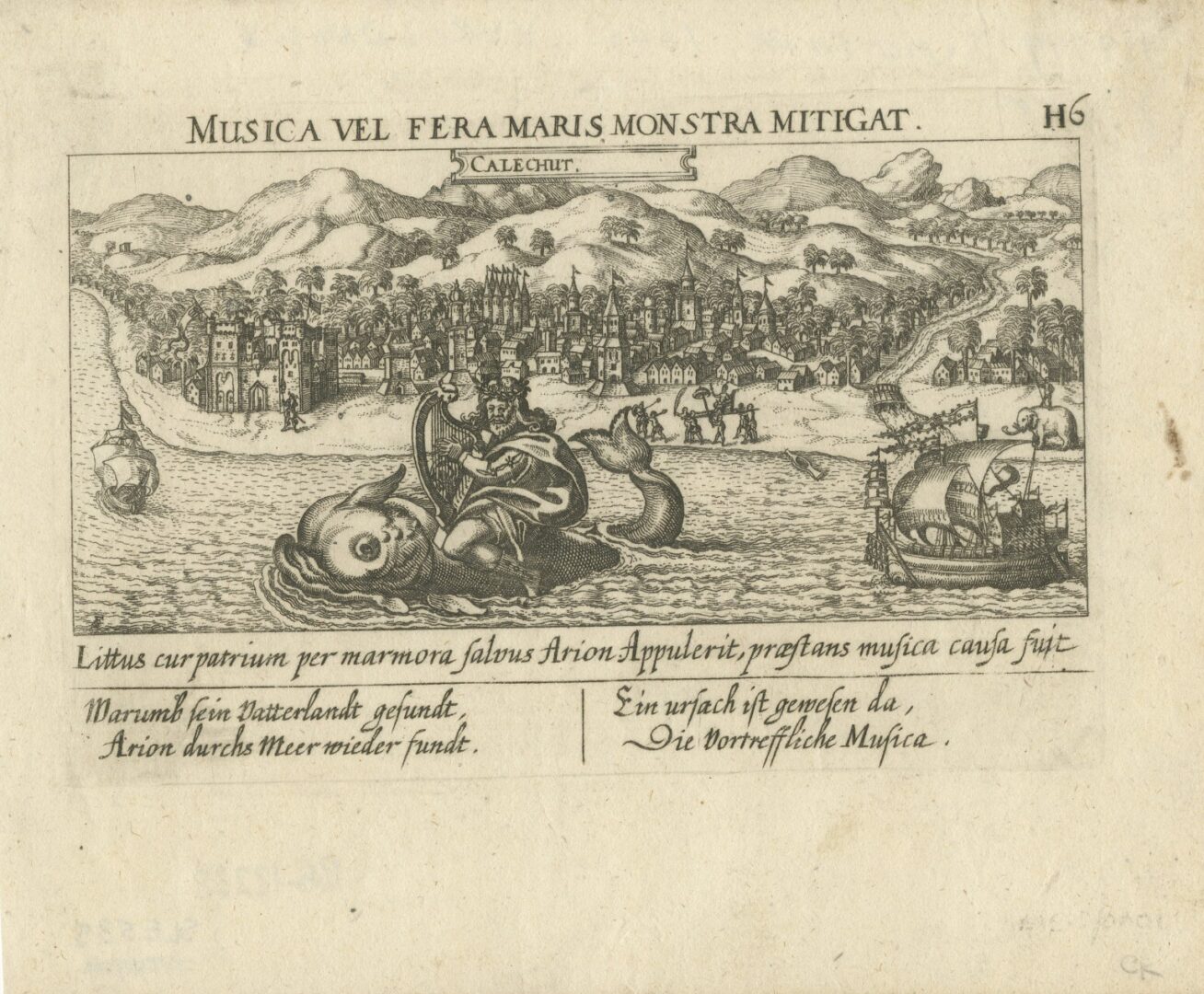
The sugar that fueled colonialism and slavery has a longer history that begins in India.
Illustration: View of Calechut from Sciographia Cosmica by Daniel Meissner
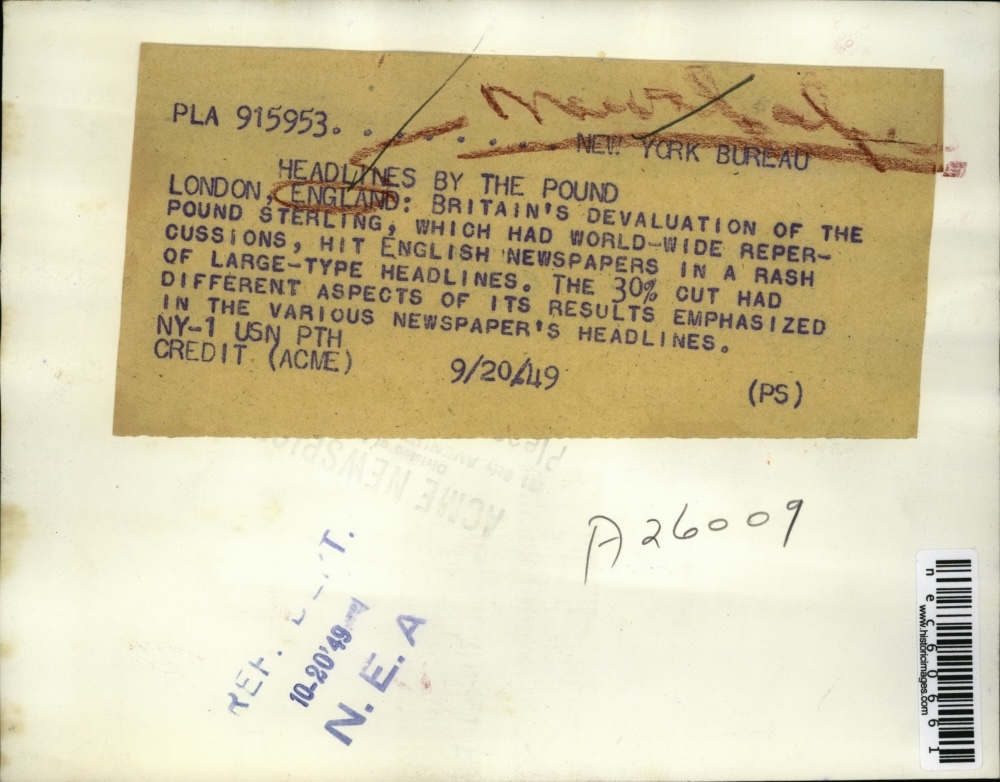
A vast wealth gap, underwritten by the ‘rules-based order,’ separates the Third World and the First World.
Photograph: 1949 Press Photo Britain’s devaluation of the pound sterling
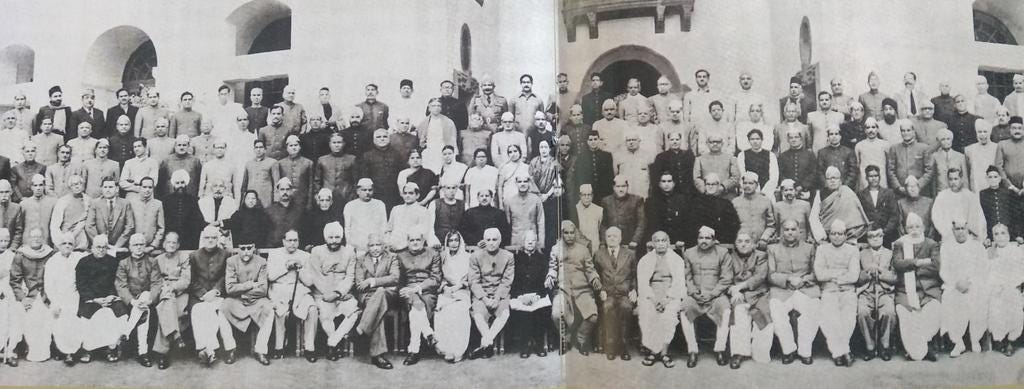
Their ancestors fought for self-rule. On January 26, 1950 they became the authors of the Republic of India.
Photograph: Member of the constituent assembly of India
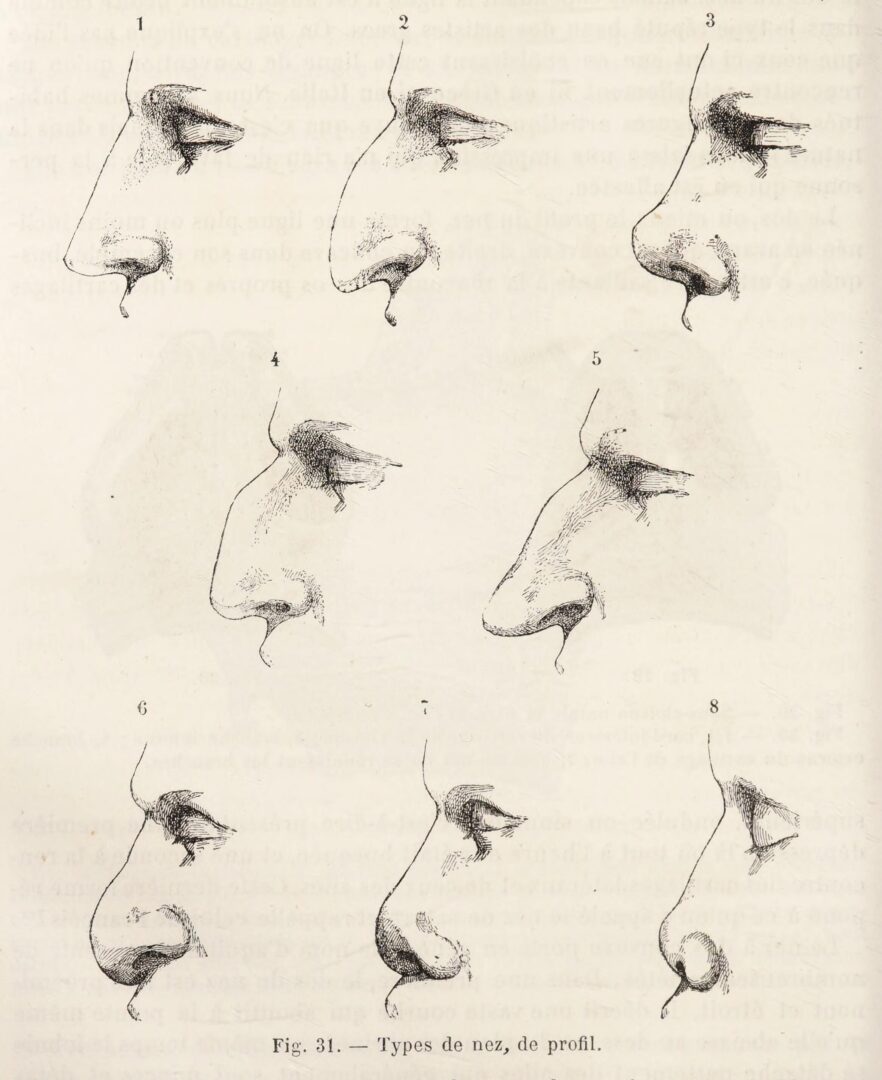
One hundred and sixty-nine years after colonial scholars first started rewriting India’s history, most Indians still don’t know the full story of colonialism.
Illustration: “Types de nez, de profil” from Éléments d’anthropologie générale
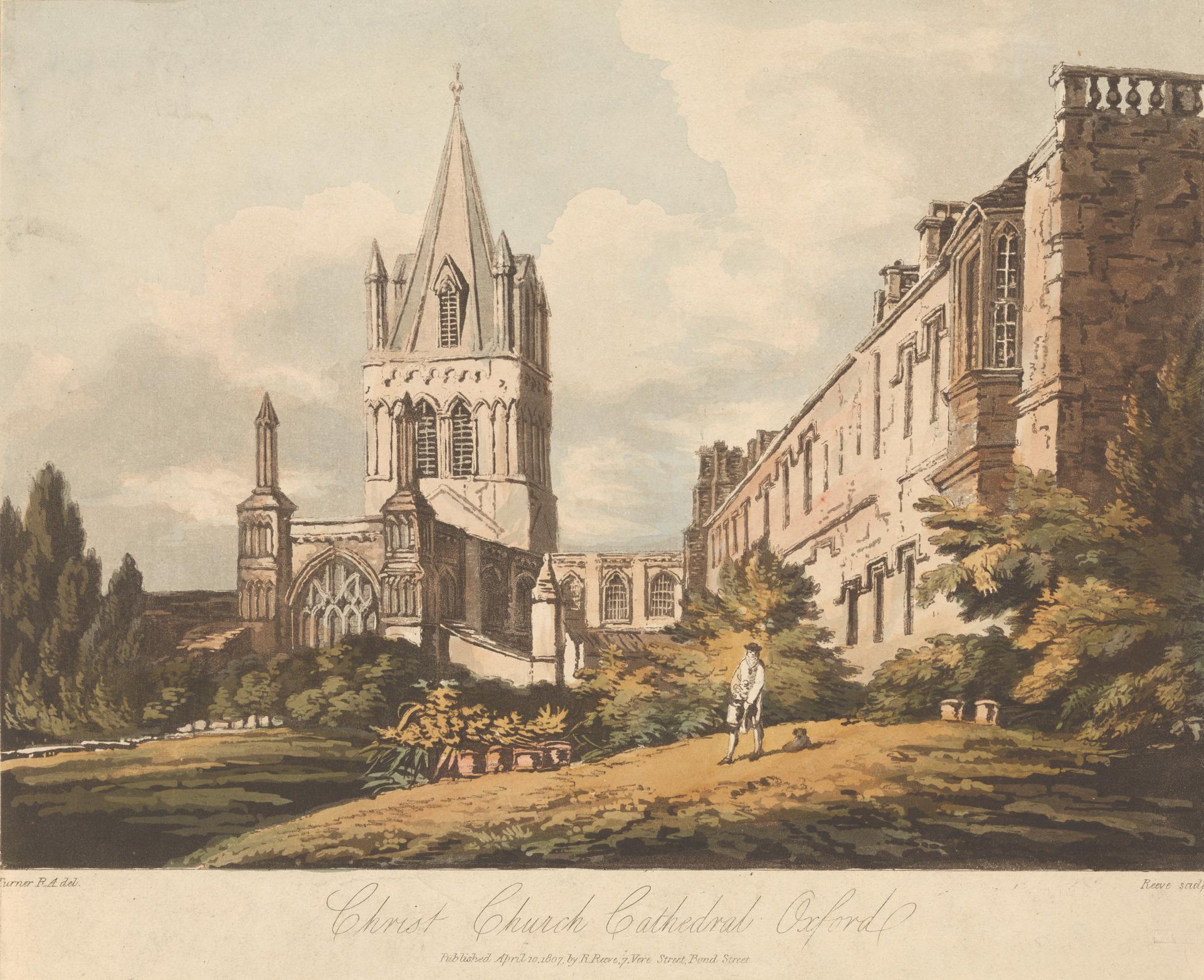
‘We are committing education malparctice’: Why Colonialism is mistaught — and worse — in schools and colleges.
Painting: “Christ Church Cathedral Oxford“ by Richard Gilson Reeve
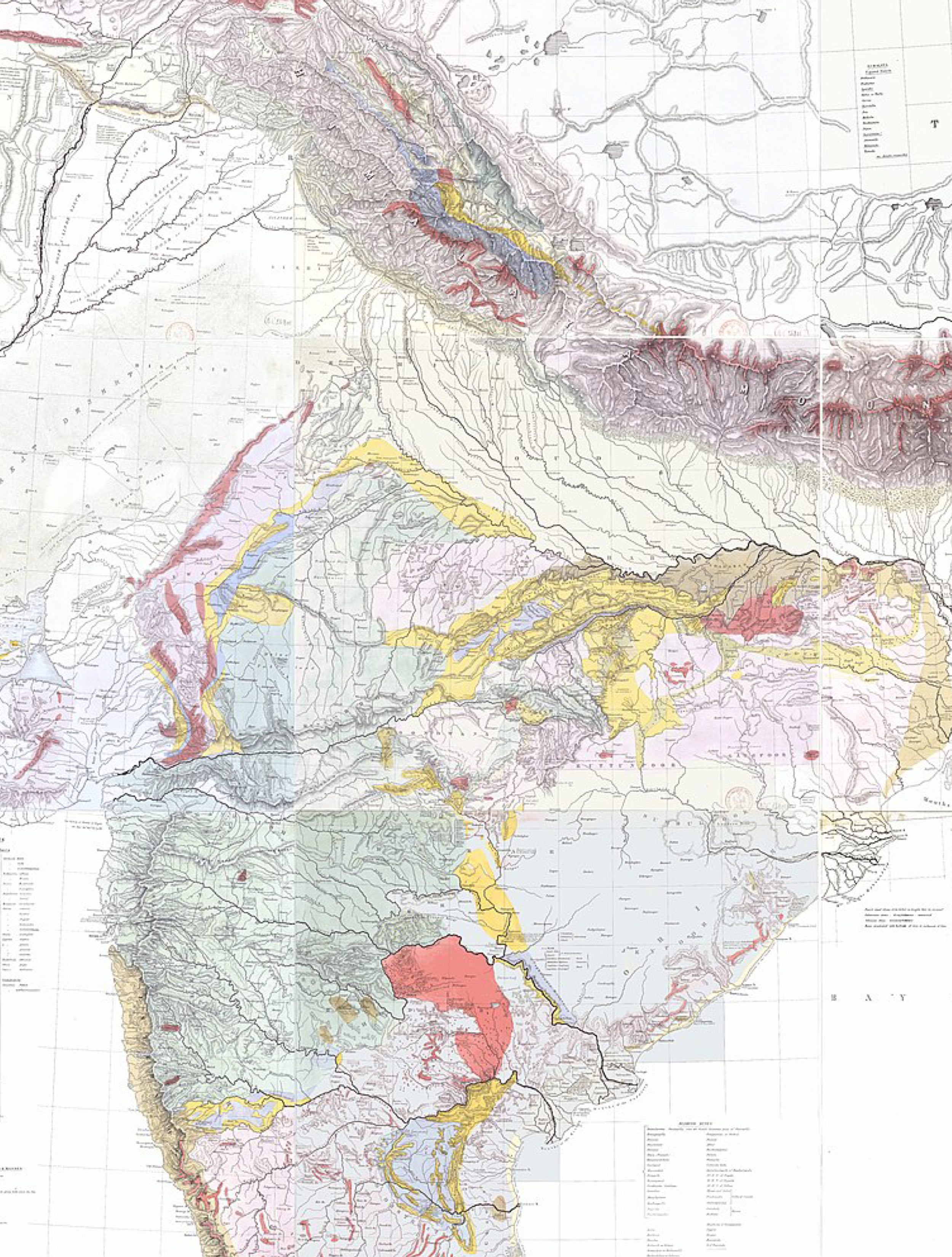
A rewriting of world history is necessary.
Illustration: General sketch of the physical and geological features of British India
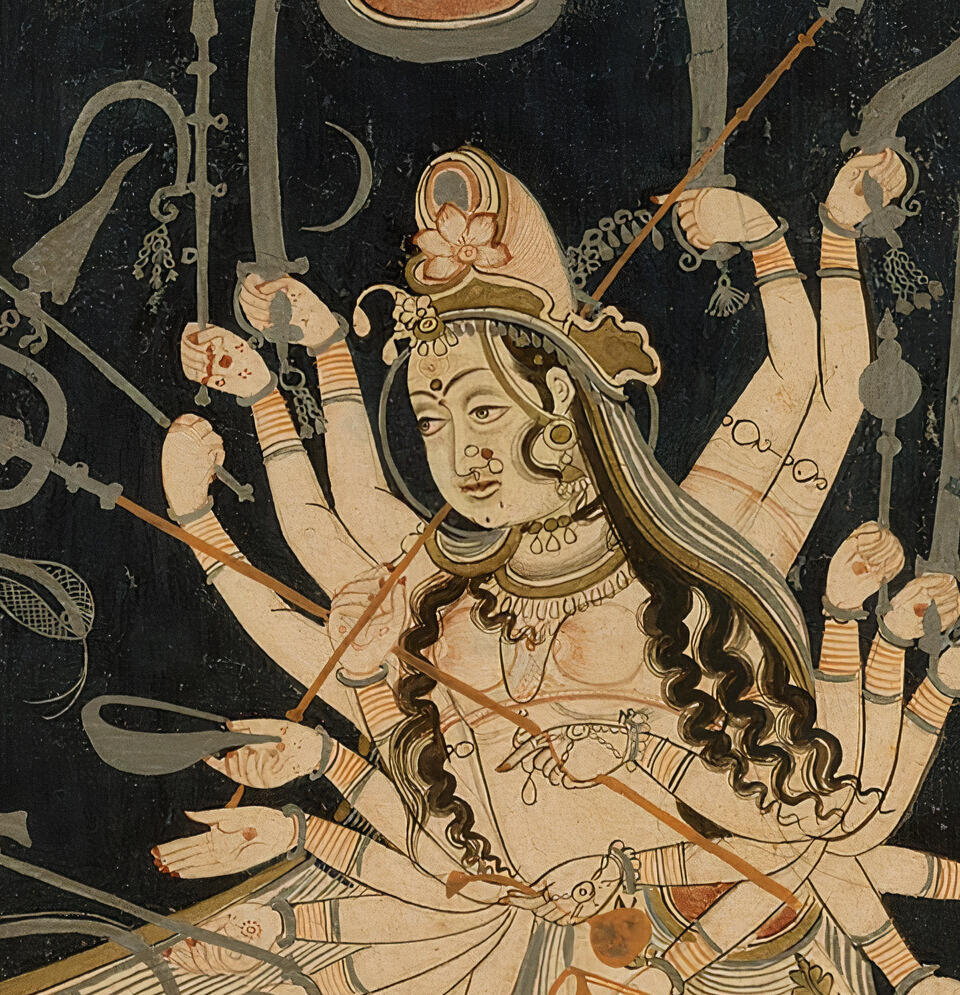
The Vedic context of religions of man
Painting: Mahadevi, the Great Goddess
FOOTNOTES
- Regional designations such as India, Tartary, Arabia, and Persia recurred on European maps for centuries, but their geographical dimensions varied tremendously from author to author and from generation to generation. The career of the term India exemplifies this fluidity. As the ultimate Orient of classical European geography, “India” expanded with each new discovery throughout the Renaissance, until it encompassed, in some usages, the majority of the globe. Ortelius’s 1570 map of India, for example, included all of modern-day South, East, and Southeast Asia. In other cartographic representations, the Americas and even modern-day Ethiopia were placed within India’s bounds. Beginning in the 1700s, by contrast, the secular trend was one of gradual reduction, as India was limited first to South and Southeast Asia, and then, following the contours of British dominion, to South Asia alone. Its contraction would continue in the twentieth century, when India came to refer to a single South Asian state (Lewis and Wigen 161). ↩︎
BIBLIOGRAPHY
- Hannah-Jones, Nikole. “The 1619 Project.“ New York Times magazine, 2019.
- Lewis, Martin W. and Kären Wigen. “World Regions: An Alternative Scheme.“ The Myth of Continents: A Critique of Metageography, University of California Press, 1997, pp. 157-88.
- Müller, Friedrich Max. “The Arian Settlers and Aboriginal Races of India.” Outlines of the Philosophy of Universal History Applied to Language and Religion, edited by Christian Karl Josias Freiherr von Bunsen, Longman, Brown, Green, and Longmans, 1854, pp. 340-348.
- Sparks, John B. “The Histomap, Four Thousand Years of World History; Relative Power of Contemporary States, Nations, and Empires.“ Print, Rand McNally & Co., 1931.
For students
Looking for ways to learn more? You can find resources at Indian Council of Historical Research. And it’s available to every one!
Legal Notice:
This work is not endorsed by or associated with The New York Times Company or the 1619 Project. Any similarities are for purposes of drawing historical comparison and commentary.